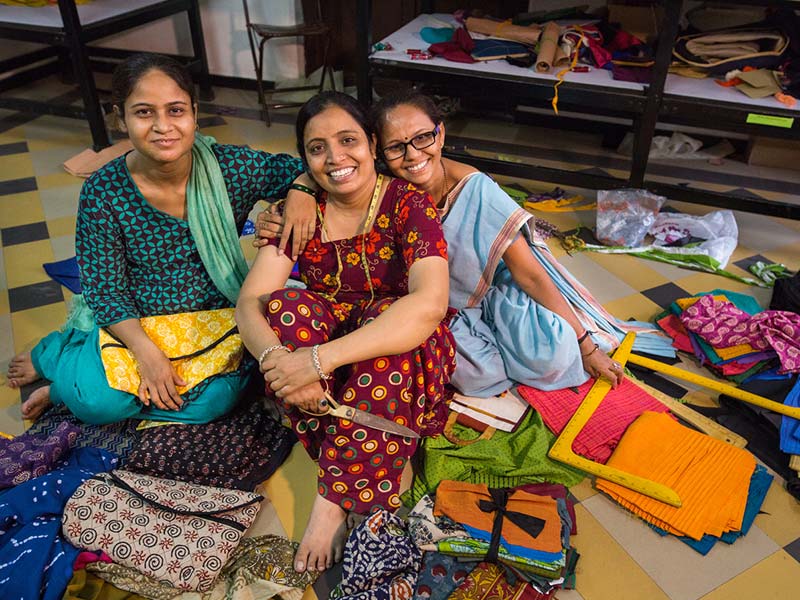
Yes, It’s Your Business: The Private Sector Must Address Gender-Based Violence
Gender-based violence is a complex issue that businesses often hesitate to tackle. But its pervasiveness—one in three women will experience physical or sexual violence in her lifetime—means that we will not achieve gender equality without addressing it.
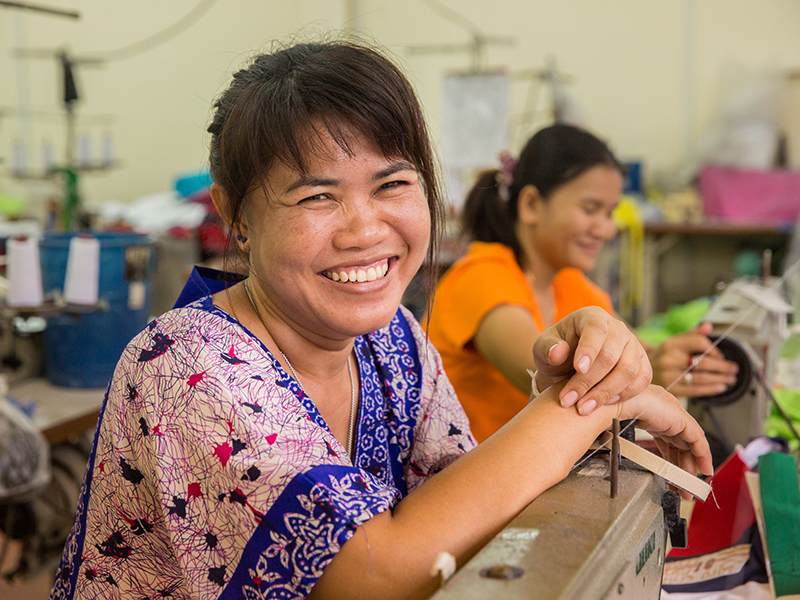
A New Tool to Help Companies Close the Gender Gap
BSR helped develop a new tool, inspired by the Women's Empowerment Principles, that helps companies make informed decisions to improve their impact on gender equality.

Sustainability: A Brand’s Secret Weapon
By integrating sustainability into product and marketing strategy, multi-brand companies can reap societal, environmental, and financial benefits.

Preventing Violent Extremism: An Interview with Amy Cunningham, GCERF
We sat down with a senior advisor at the Global Community Engagement and Resilience Fund to discuss how the private sector and other stakeholders can help prevent vulnerable men, women, and youth from joining terrorist groups.
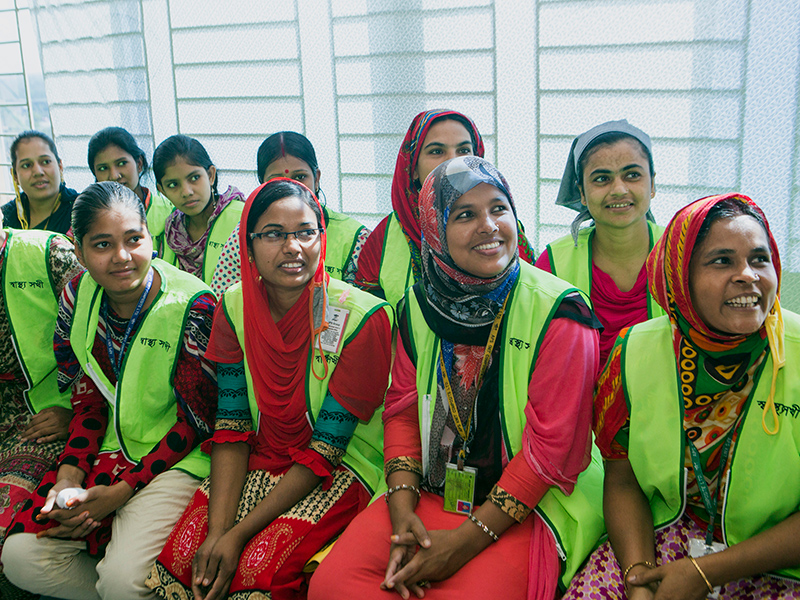
HERproject at 10: Celebrating HERsuccess, Inspiring HERfuture
As we celebrate the 10th anniversary of HERproject, we’re taking a moment to think about what we have achieved and what we have left to do.

What Can Companies Do to Empower Women in Sub-Saharan Africa?
Through our recent research on women's economic empowerment in sub-Saharan Africa, we found three main trends that informed our analysis and recommendations for private-sector action.

A New Era for Chinese Industry: Automation, Optimization, and Global Supply Chains
Chinese industry is entering a new era in which optimization of resources, labor, and cost is critical. These shifts will require major changes to the way global businesses operate in China.

Three Ways to Embed Sustainability in Public-Private Partnerships for U.S. Infrastructure
BSR sees investing in U.S. infrastructure as a major opportunity to create employment, upgrade to climate-friendly systems, and build a transportation system fit for a low-carbon economy.

Clean Power Generates American Jobs and Business Competitiveness
Transformations in the U.S. energy sector toward renewable sources have led to increased employment, more efficient energy use, and more. Withdrawing from the Clean Air Act, including the Clean Power Plan, will slow this progress but will not undermine it.

Three Steps for Healthy Business Product and Program Design
Our new Healthy Business Coalition Innovation Playbook outlines an innovation process to help companies integrate their healthy business strategy into the design of new products, services, and programs.

Collaborating to Eliminate Modern Slavery: Global Business Coalition Against Human Trafficking
BSR is pleased to announce its appointment as secretariat of the Global Business Coalition Against Human Trafficking, which provides a collaborative space for companies to advance the fight against modern slavery.

Building Responsibly: Turning Challenges to Opportunities in Engineering and Construction
Building Responsibly—our new industry-led collaborative initiative with support from Humanity United—will enable construction and engineering companies to collaborate around their shared values, advance their programs through best-practice sharing, and more.

Are You Measuring Your Company’s Full Value Creation?
It matters to business success whether products and companies offer community, societal, and environmental benefits. And these benefits create value—to natural systems and human societies—that can be measured.

Building a Culture of Integrity to Transform the Maritime Industry
Rather than resolving issues as they arise or worsen, the Maritime Anti-Corruption Network now aims to shift the integrity culture of the maritime sector to a point where corruption is no longer entertained as a possibility in any port.

Human Rights by Design
Based on lessons learned from our recent human rights work, we have begun exploring the concept of “human rights by design,” which we believe could be essential for the long-term success of the business and human rights discipline.

Three Reasons Why Collaboration Is Key to Green Freight
Through the Clean Cargo Working Group, which now represents 85 percent of ocean container shipping volume, we have seen the value to companies in addressing challenges collaboratively.