
How to Engage Suppliers on Scope 3 Reductions
Supplier engagement stands as a critical avenue for reaching net-zero. Here are some common actions businesses have taken to navigate relationships with suppliers and lower scope 3 emissions.
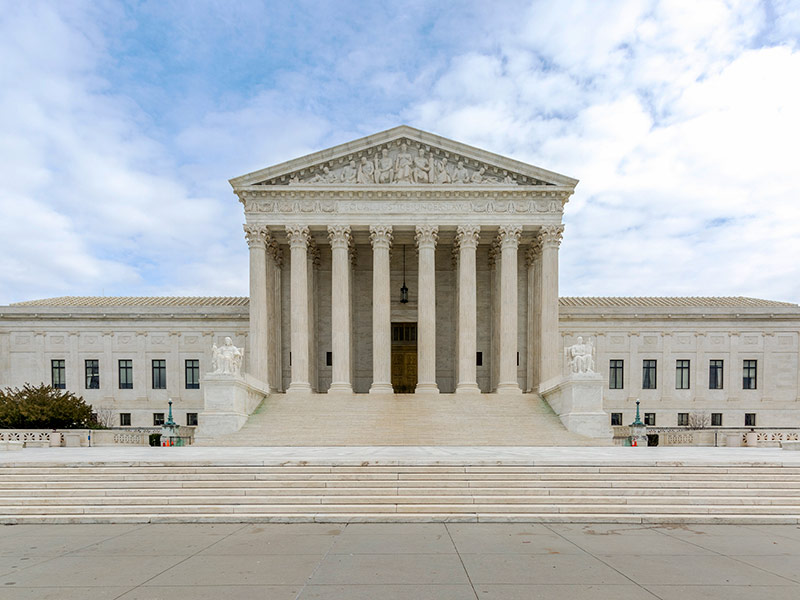
The US Supreme Court Ruling on Affirmative Action: A Business Response
The end of affirmative action poses a risk to long-term corporate economic success. We share seven key steps business can take to ensure progress toward a more diverse, equitable, and inclusive economy.
A Credible Future beyond Growth
A business that thrives within planetary boundaries will need to innovate to address the tension between traditional models and corporate sustainability goals.

Seven Lessons for the Just Energy Transition
Energy and utilities companies need to plan for a just transition in the move from a carbon-intensive to a net-zero economy. Explore challenges and opportunities for corporate action on the just transition
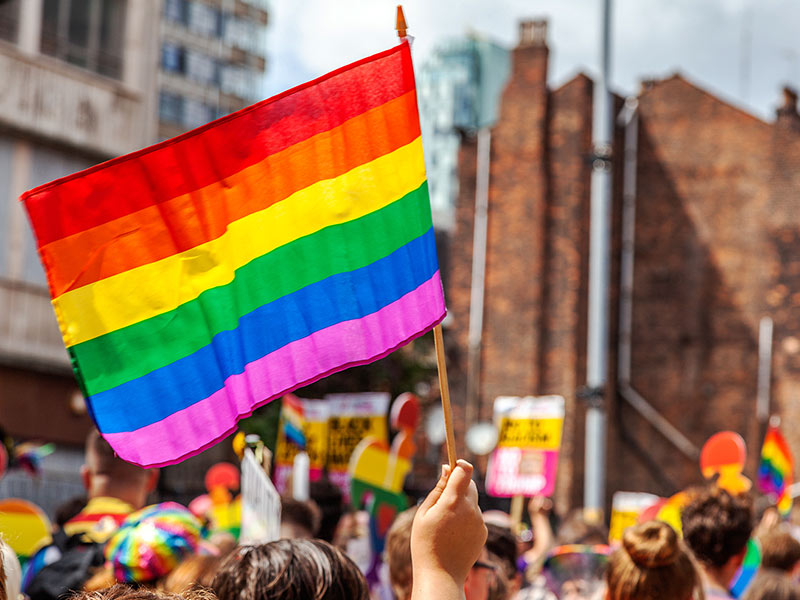
Respecting LGBTIQ+ Rights in Turbulent Times
Activists, customers, employees, and investors expect companies who outwardly support the LGBTIQ+ community to credibly advance LGBTIQ+ equality and protect the well-being of workers. Here's how to create lasting impact beyond Pride Month.

How New Regulations Are a Game-Changer in Just and Sustainable Business
Insights+ provides insights and foresight that empower the CSO to be a strategic C-Suite advisor by crystallizing emerging and cross-cutting sustainability issues, enabling companies to elevate their strategic ambition and achieve tangible progress toward a more just and sustainable world.
In the third edition, President and CEO Aron Cramer and Vice President, Human Rights Dunstan Allison-Hope dive into upcoming regulatory requirements concerning just and sustainable business and discuss how companies can stay focused on actions that will be considered credible, not merely compliant.

Land Value at Risk
What climate justice risks do the insurance industry face, and how can business best build inclusive resilience to these risks?

Canada’s Modern Slavery Legislation: Key Recommendations for Business
Canada recently adopted legislation targeting modern slavery across corporate supply chains. Members of BSR’s Human Rights team share key provisions of the act and recommendations for business.

Sustainable Coconut Partnership: Toward a Responsible and Resilient Sector
We discuss the recently launched Sustainable Coconut Partnership, the unique challenges facing farmers, and how it plans to scale impact in the year ahead.

Applying an ESG Lens to Crypto
Cryptocurrencies continue to attract investors against the odds. How can businesses approach these opportunities in a way that maximizes their potential for empowerment and inclusivity, while guarding against significant environmental and social concerns?

Anywhere the Smoke Blows: The Health and Climate Risks of Wildfires
A new understanding of the environmental and health impacts of wildfire has significant implications for the role of business in wildfire prevention, management, and adaptation.

Climate Transition Plans That Enable Business Transformation
Stakeholders are issuing calls for companies to disclose how they intend to meet their climate targets via climate transition plans. BSR outlines five characteristics of a transformative climate transition plan that generates long-term value.

Embedding Human Rights from Boots to the Boardroom
As new legislation emerges, business leaders will need to manage human rights issues on an ongoing basis. Four steps for implementing long-term human rights action plans.

Nine Ways to Activate Your Board on Climate
Board oversight on climate-related risks and opportunities is increasingly important. Explore three strategies for activating boards on climate.

A Human Rights Impact Assessment of Twitch
BSR and Twitch undertook a human rights assessment of Twitch, an interactive live streaming service. Today, we are pleased to publish the final report in full.

Why Every Business Needs to Think about Responsible AI
As more companies use AI in their products, services, and operations, it’s time for business to take a human rights-based approach to AI.