
Human Rights | Responsible Technology
Telenor: Responsible Decision-Making in Myanmar
BSR helped the telecommunications company Telenor understand the sustainability risks and opportunities before entering a new market in Myanmar.

Climate And Nature | Responsible Technology
Working with Tech Leaders to Power the Internet with 100 Percent Renewable Energy
The Future of Internet Power was founded in 2012 with a vision to power the internet by 100 percent renewable energy.
Financial Services | Inclusive Business | Supply Chain | Women’s Empowerment
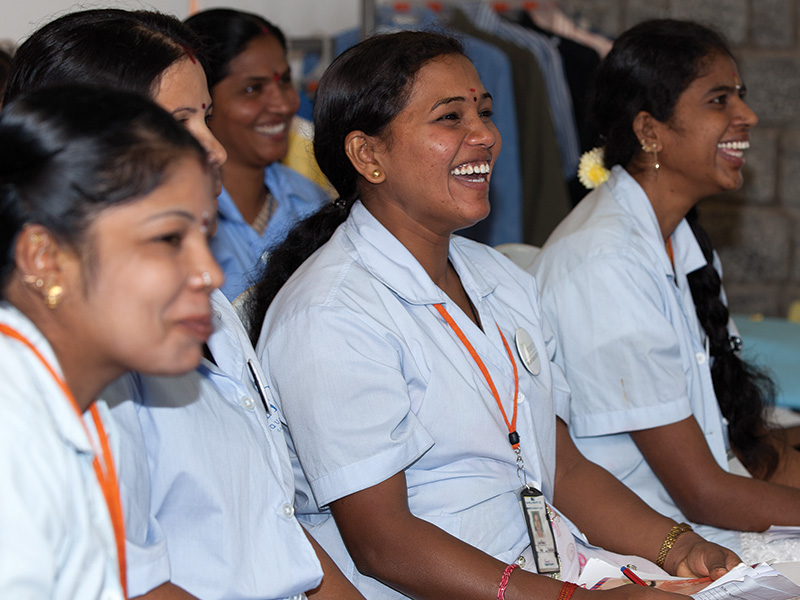
HERfinance: Increasing Financial Inclusion Among Women Workers in Global Supply Chains
Between 2012 and 2014, BSR piloted the HERfinance program with 10,000 garment factory workers in India.

Energy And Extractives | Human Rights | Inclusive Business
Freeport-McMoRan: Localizing Global Social Investment Strategies
BSR helped Freeport-McMoRan develop a new approach to engaging local communities, shifting from an emphasis on philanthropy to a participatory approach to investments that satisfies both the company’s and the community's needs.

Healthcare | Supply Chain
Bayer: Collaborating with Key Partners to Improve Supplier Engagement
Through performance assessments, identification of high-risk suppliers, and collaborative initiatives, Bayer uses its influence over global suppliers to ensure accordance with the company’s ethical, environmental, and social standards.
Food, Beverage, And Agriculture | Supply Chain
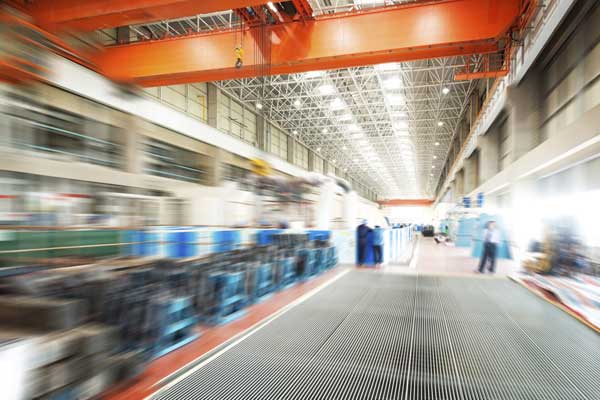
Anheuser-Busch InBev: Empowering Procurement Professionals toward Sustainable Procurement
Anheuser-Busch InBev (AB InBev) is the leading global brewer and a top-five consumer-goods (FMCG) company with operations in 25 countries and procurement departments in 22 countries.
Supply Chain
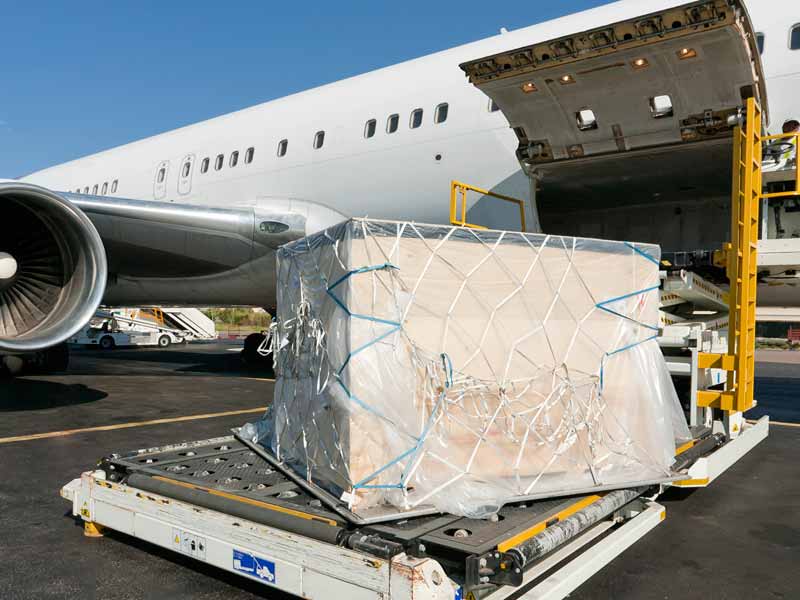
Cathay Pacific: Enabling Procurement Teams to Choose More Sustainable Plastics
Each year, Cathay Pacific Airways uses millions of plastic items for its in-flight services, ranging from meal trays to cutlery to amenity kits. While the company has made tremendous efforts to reduce, reuse, and recycle, it still has to rely on single-use disposable plastic for some items due to concerns about hygiene, and regulatory and operational constraints. Could choosing a different type of plastic help Cathay Pacific to meet their environmental goals?
Human Rights | Responsible Technology
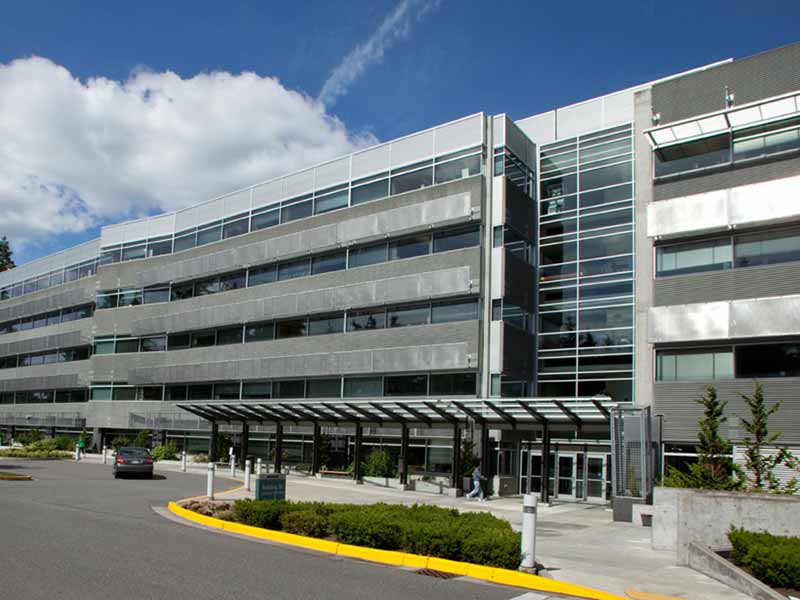
Microsoft: Embedding Human Rights Across a Global Technology Company
BSR helped Microsoft develop a global human rights strategy that ensures human rights are considered in all major business decisions.

Climate And Nature | Supply Chain
Managing Greenhouse Gas Emissions in Chinese Supply Chains
Over the past few years, BSR has helped dozens of companies improve supply chain greenhouse gas performance in China through a portfolio of initiatives.

Climate And Nature | Supply Chain
Clean Cargo Working Group: Measuring and Improving the Environmental Performance of Ocean Shipping
BSR's Clean Cargo Working Group, founded 10 years ago, now works with 85 percent of the container ship industry to report on and improve the environmental performance of ocean shipping.
Human Rights | Responsible Technology
Global Network Initiative: Protecting Human Rights in the Digital Age
Since its formation in 2008, the Global Network Initiative has created standards on freedom of expression and privacy that have been implemented by the major internet and telecommunications companies, which reach a total of more than 2 billion users.
Responsible Technology | Supply Chain
Electronic Industry Citizenship Coalition: 10 Years of Impact in the Electronics Supply Chain
Since its founding at the BSR Conference 10 years ago, the EICC has grown from a handful companies to nearly 100 businesses representing more than US$2.6 trillion in revenues, and its influential code of conduct is the information and communications technology industry's standard for practices related to ethics, labor, health, safety, and the environment.
Business Transformation | Healthcare
Sanofi: Using Materiality to Build a Strong, Focused CSR Strategy
Through a robust process that engaged more than 100 stakeholders, Sanofi was able to cut its list of priority CSR issues in half and focus on the most relevant topics to create value for the company and stakeholders, especially patients.
Supply Chain
Procurement of Display Units as an Opportunity for Improved Sustainability in Stores
Best Buy has more than 1,000 stores in the United States, all of which have many in-store displays. In 2012, the company partnered with the Center for Sustainable Procurement (CSP) to explore ways to improve its procurement process for displays and define the criteria for making them more sustainable in the future.
Responsible Technology | Supply Chain
Improving the Lifecycle Energy Impacts of Notebook Computers in the Production Phase
Dell wanted to improve the lifecycle sustainability impacts of its notebook computers. Through its own work gathering lifecycle data from suppliers, as well as involvement in collaborative initiatives, such as the Massachusetts Institute of Technology’s PAIA (Product Attribute to Impact Algorithm) and The Sustainability Consortium, Dell had already identified the hot spots and other critical impacts that must be addressed to substantially improve the sustainability of notebooks.