Searching for:
Search results: 586 of 1188
Reports | Tuesday June 22, 2021
The Next Decade of Business and Human Rights
Throughout 2021, to mark the 10th anniversary of the UNGPs, BSR is reflecting on what additional action business can take to shape a rights-respecting future.
Reports | Tuesday June 22, 2021
The Next Decade of Business and Human Rights
Preview
This June 2021, we mark the 10th anniversary of the UN Guiding Principles for Business and Human Rights (UNGPs)
For 25 years, BSR has been at the forefront of helping companies turn human rights principles into practice, undertaking over 150 human rights assessments across all industries. And we have seen tremendous progress over the past decade as we have worked with business to align their policies and practices with the UNGPs.
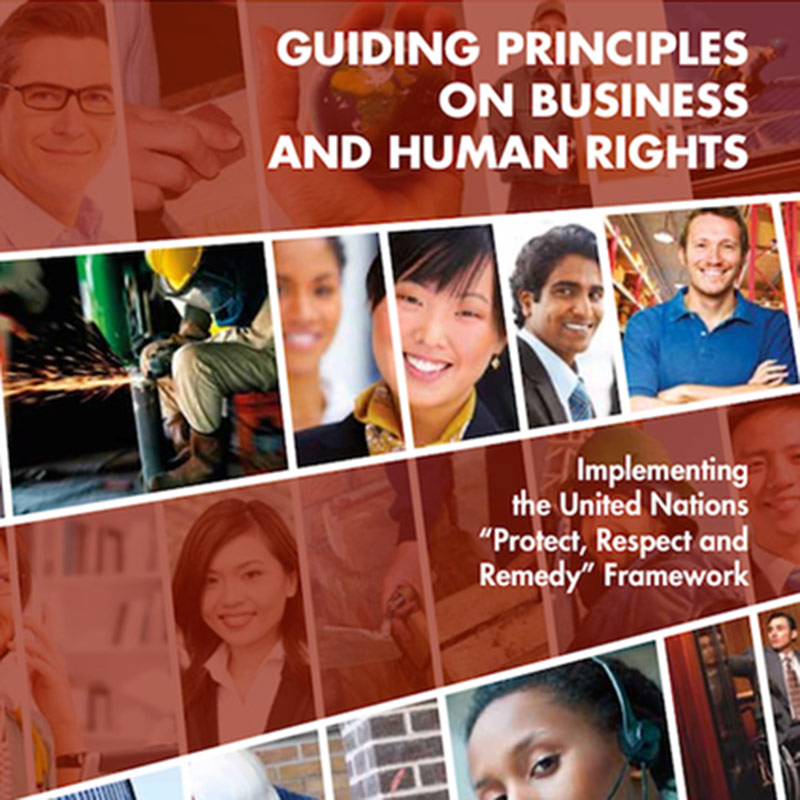
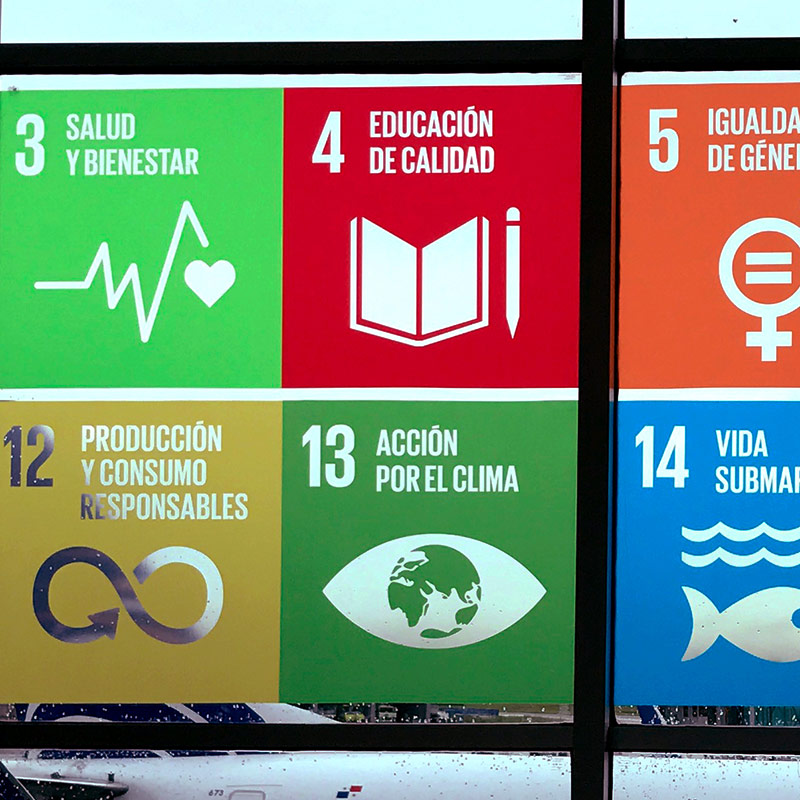
As we enter the Decisive Decade, where the public and private sectors alike must act with urgency to achieve the SDGs and the Paris Agreement targets, we also see an opportunity to strengthen respect for and protection of human rights.
Throughout 2021, to mark the 10th anniversary of the UNGPs, BSR is reflecting on what additional action business can take to shape a rights-respecting future.
In the coming months, we will publish deep dives into two emerging issues and four evolving approaches that will shape the next decade of business and human rights.
Evolving Approaches
- Shared Opportunity to Promote Human Rights
- Downstream Human Rights Due Diligence
- Access to Remedy
- Human Rights Assessment
Emerging Issues
- Climate Change and Human Rights
- Business in High-Risk Contexts
In a world facing increased climate impacts, rapidly changing technologies, and shifting geopolitics, resilient business strategies are critical to business success. By embedding human rights approaches across business and supply chain operations, companies can not only build resilience but help to create a more just, sustainable world.
Explore these topics below.
Blog | Monday June 21, 2021
Five Considerations for Companies Setting up Digital Ethics Advisory Boards
Advisory boards can help companies manage ethical challenges that arise with the acceleration of digital technology innovation. Here are five considerations for establishing a digital ethics board.
Blog | Monday June 21, 2021
Five Considerations for Companies Setting up Digital Ethics Advisory Boards
Preview
How can artificial intelligence (AI) expediate research and drug discovery without leaving out key demographics? What are the potentially negative impacts of new technology that helps individuals match makeup to their skin tone or that helps forecast demand for the newest clothing line? Does the use of AI systems for employee recruitment and hiring bring more harm than benefit?
As digital transformation accelerates, companies are questioning how to maximize the benefits and address the risks of innovation.
A well-established governance mechanism can help them manage ethical challenges that arise with the use of digital technologies.
What Does Digital Ethics Governance Look Like?
BSR works with companies across industries to surface best practices on the governance of digital ethics. Typically, following the creation of guiding principles and standards, companies build governance structures that guide decision-making and oversee the implementation of principles into practice.
The creation of such governance structures often includes establishing expert working groups, or advisory boards, to advise on these new and emerging topics. These boards can take the shape of an internal committee, an external advisory panel, or a hybrid structure that includes employees (team leads and internal experts) as well as subject matter experts from outside the company. They are often intended to bring in diverse perspectives and create the space for debate and informed decision-making.
Examples include Microsoft’s Aether Committee, Twitter’s Trust and Safety Council, and Merck KGaA’s Digital Ethics Board. Although not directly focused on digital ethics, the Novartis Independent Bioethics Advisory Board and the Recruit Holdings Sustainability Committee also offer best practices on how companies can feed external guidance and insights into company processes.
Five Considerations for Establishing Digital Ethics Advisory Boards
There are five considerations for companies setting up advisory boards for digital ethics. These high-level considerations apply to all kinds of advisory boards; however, they are particularly relevant for the new and evolving field of digital ethics.
1. Decide whether an internal, external, or hybrid board will be most effective.
This decision will depend on the specific needs of the company. An external board increases the range of perspectives and the credibility of company decisions and actions, while internal representation can help strengthen buy-in and the integration of issues across teams. Some companies have built hybrid boards, where a set group of internal participants are accompanied by external experts as needed.
Companies with less internal expertise on these issues may also choose to consult with independent bodies, such as The World Federation of Advertisers' (WFA) Data Ethics Board and the AI Research Review Committee by the Future of Privacy Forum.
2. Include diverse voices on the board.
Boards facilitate engagement with external stakeholders. Companies should pay special attention to including the voices of vulnerable populations that may be affected through the company’s use of technology. For digital ethics boards specifically, it is also important to have the right level of technical, social, and industry expertise.
However, companies must also strike the right size; a board that is too big can be unwieldy. Instead of striving to create a board that includes all backgrounds, companies can create a structure that allows for flexibility to bring in external experts and stakeholders as needed. For example, Twitter has formed smaller Advisory Groups under its Trust and Safety Council to enable a more nimble engagement process with external experts.
3. Create an environment that allows different rightsholders to participate.
An important factor to consider here is compensation. Compensating external members of the board allows for the participation of individuals, particularly those from underrepresented populations, who might not otherwise be able to do so. In our experience, we have not seen that compensating members of a board leads to conflict of interest or reduces the quality of outcomes.
4. Establish a team responsible for facilitating engagement with the board.
One of the most helpful “process” steps is establishing an internal lead, or working group, to manage the relationship with the board and assist with the dissemination and implementation of the board’s guidance. The working group can help solicit, manage, and coordinate with teams across the company who surface technology use cases for review or who would like to engage with the board on specific questions and topics.
5. Complement top-down governance structures with bottom-up approaches.
Advisory boards can be immensely helpful in the management of digital ethics at a company. However, raising internal awareness around these systems and integrating them across the organization is equally important.
Ultimately, many of the decisions concerning digital ethics are made by engineers, product teams, or sales teams on the frontlines of technology development and deployment. Companies should make sure that all teams understand how the guiding principles translate to their day-to-day jobs, and there should be a clear process for employees to surface digital ethics challenges up to the advisory board.
Creative examples we have seen include H&M’s Ethical AI Debate Club that helps make AI ethics top of mind for employees, and Microsoft’s AI Champs program, where Responsible AI Champs throughout the company help roll out Microsoft’s AI Principles and train their teams to recognize and raise ethical challenges.
Maximizing the opportunities and addressing the risks of digital technology innovation requires companies to proactively set up structures and processes that can help address ethical challenges and dilemmas as they emerge. Well-established governance mechanisms can help companies identify and tackle risks early on and focus on the positive impacts the technology offers.
To further discuss operationalizing digital ethics principles and processes, get in touch with us.
Blog | Thursday June 17, 2021
The Case for SEC-Mandated Climate and ESG Disclosure
In response to the SEC’s interest in taking steps to require climate disclosure, we discuss crucial steps that the SEC should enable to provide consistent, comparable, and reliable information that will strengthen investors’ ability to make decisions, provide incentives for business to generate long-term value, and lead to a market…
Blog | Thursday June 17, 2021
The Case for SEC-Mandated Climate and ESG Disclosure
Preview
The landscape shaping reporting and disclosure on ESG issues is changing quickly. After three decades of experimentation with voluntary frameworks, a fragmented environment is limiting the impact of reporting and creating undue confusion and cost on the part of reporters. In addition, the regulatory framework has not yet fully embraced the notion that ESG matters should be embedded into legal requirements.
We have a historic opportunity to accelerate progress toward a strengthened and more unified approach, one that aligns incentives and rewards companies investing in business transformation which can help to create a more just and sustainable world. This is why BSR strongly supports the SEC’s interest in taking steps to require climate disclosure and, ideally, ESG matters more broadly.
Last week, we submitted our response to the SEC Consultation. We believe that the SEC should enable crucial steps to provide consistent, comparable, and reliable information that will strengthen investors’ ability to make decisions considering all relevant information, provide incentives for business to generate long-term value, and lead to a market economy that delivers on society’s greatest needs.
Within our response to the SEC, we encouraged the Commission to adopt the following approach:
1. While the urgency of climate disclosure is obvious, the SEC should require disclosure across other material ESG issues too.
The Commission should prepare a holistic approach to ESG disclosure that encompasses topics such as human capital development environmental issues apart from climate change; diversity, equity, and inclusion; and governance of ESG matters. We believe that a comprehensive ESG disclosure standard will best serve business, investors, and society and is already in high demand from investors.
Comprehensive disclosure is badly needed to create an integrated framework rather than a piecemeal approach that risks creating multiple reporting requirements. No responsible company today reports only on climate, and the SEC should take an approach that reflects that reality.
2. Existing reporting frameworks and standards, such as the Sustainability Accounting Standards Board (SASB), the Task Force on Climate-related Financial Disclosures (TCFD), and the Global Reporting Initiative (GRI), all provide logical starting places upon which to build.
The fragmentation between reporting standards, differing by jurisdiction, company, and issue, hinders improved performance on sustainability and decreases comparability across reports. Though the current reporting landscape is fragmented, each standard provides a strong foundation for sustainability disclosure. We believe the SEC should utilize existing standards as a baseline to create new mandatory climate/ESG disclosures. Not only will this ease reporting practitioners’ burdens to comply with another new disclosure, but these have also been well consulted and provide widely accepted metrics and disclosure requirements.
Climate change provides but one example of how the SEC can build on existing reporting frameworks and standards. For example, for climate disclosure the SEC should consider a two-part model with (1) climate disclosure requirements for all companies based on the TCFD guidelines (recommended for adoption by the G7 as of this month) and (2) industry-specific disclosures that utilize the SASB standards and metrics.
3. SEC efforts to mandate climate/ESG disclosure should respect the need for reporting harmonization at the global level.
Companies and investors alike would benefit from a harmonized global approach to sustainability reporting. Jurisdiction-specific requirements (such as those being proposed by the EU and the SEC) need to be consistent with international sustainability accounting standards and with each other. Furthermore, in order to be flexible on important emerging issues, the disclosure standard should be updated and augmented over time to keep pace with emerging issues and our changing world. We encourage the SEC to collaborate with other jurisdictions (most notably the EU) and standard-setting organizations playing a leading role in the harmonization process (most notably the International Financial Reporting Standards Foundation). We also encourage the SEC to work with these institutions to adopt interoperable and globally consistent standards.
4. Strategic and forward-looking.
Investors benefit from having access to a forward-looking mix of qualitative and quantitative information, and the SEC’s approach will be strongest if it takes this into account. For climate disclosure specifically, we believe it is important for companies to disclose key features of rigorous forward-looking climate change scenarios, as recommended by the TCFD. This should be accompanied by core quantitative information, specifically scopes 1, 2, and 3 emissions and associated science-based reduction targets.
5. ESG information should be held to a high level of rigor, recognizing the distinctive nature of certain forms of information.
For this reason, BSR believes that certain core ESG and climate disclosures regulated by the SEC (e.g., for climate specifically: scopes 1, 2, and 3 emissions as well as approaches to climate change governance, strategy, risk management, and metrics and targets) should be provided within a company’s annual Form 10-K. To this end, we also support the requirement of issuers to utilize a third-party assurance provider to ensure quality of disclosure.
However, we also note (1) that investors benefit from disclosures made by companies regardless of the location, (2) that some ESG and climate disclosures do not yet have the level of rigor that merit inclusion in the Form 10-K or are available on different timeframes, and (3) that some companies may take a minimalist and “compliance only” approach for Form 10-K disclosure. Thus, we believe that some ESG and climate disclosures can be “furnished to” the SEC via Form 8-K rather than “filed with.”
To conclude, BSR believes that SEC-mandated ESG reporting will not only help to create consistent, reliable, and comparable disclosures, but it will play an essential role in the creation of the resilient business strategies needed to support a just and sustainable future. We are looking forward to continuing to engage and comment on this issue and discuss the issue in our Future of Reporting collaborative initiative. We encourage all companies to engage with the SEC on this historic opportunity.
Blog | Tuesday June 1, 2021
LGBTI Inclusion in Action: Q&A with Dominic Cole-Morgan of Scotiabank
Business can help advance LGBTI equality and create more inclusive and equitable workplaces. This includes Scotiabank, which recently announced a significant expansion of gender affirmation benefits for employees and their families. To kick off Pride Month, we connected with Dominic Cole-Morgan, Senior Vice President, Total Rewards, Global Human Resources at…
Blog | Tuesday June 1, 2021
LGBTI Inclusion in Action: Q&A with Dominic Cole-Morgan of Scotiabank
Preview

In many countries, June is recognized as LGBTI Pride Month—an important recognition for a community, which, despite legal and social progress, still faces hurdles and discrimination.
As we celebrate Pride Month, we recognize the ways that business can help advance LGBTI equality and create more inclusive and equitable workplaces. A leader in the space is Scotiabank, which recently announced a significant expansion of gender affirmation benefits for employees and their families.
In addition to being a founding member of the Partnership for LGBTI Equality (PGLE), Scotiabank has been partnering with BSR since 2016 on its human rights program, beginning with a human rights impact assessment and followed by four years of continuous integration.
We recently connected with Dominic Cole-Morgan, Senior Vice President, Total Rewards, Global Human Resources at Scotiabank to discuss the recent announcement and Scotiabank's broad commitment to human rights.
Scotiabank just made a significant announcement about offering gender affirmation coverage for its employees. Can you share more about this new benefit and how you arrived at the decision?
We’re really proud of this announcement, which expands on our previous standard gender affirmation benefits in order to fill the gaps in coverage so that we can better support trans people in their own personal gender affirmation journey. Coverage up to $50,000 in a lifetime of benefits, including but not limited to electrolysis, rhinoplasty, voice training/surgery, and facial feminization/masculinization, for employees and dependents. Historically, these enhanced benefits have been defined as "cosmetic" and therefore not covered—but we know in our consultations with the trans community how important, and costly, these procedures can be in becoming your true self.
When it comes to why now, when we signed on to the United Nations LGBTI Standards of Conduct for Business in 2019, we committed to meaningful action. We are always looking to review, improve, and enhance our offerings for employees to be as diverse and inclusive as possible.
We recognize that inconsistent progress has been made for the trans community versus other communities, and we knew that we wanted to do what we could to update our offerings accordingly. This sends a signal that if you want to demonstrate you are truly an inclusive workplace, these are the types of things that those organizations can offer.
Announcements like this can raise the bar and push others to follow suit, which ultimately is a really good thing for everyone—what we want is for every company to be doing this, that inclusive coverage becomes the norm.
We’re pleased to have Scotiabank participate in the Partnership for Global LGBTI Equality. What inspired you to get involved in this work, and how did that participation contribute to the decision regarding gender affirmation coverage?
In 2019, we became the first Canadian bank to adopt the United Nations Global LGBTI Standards of Conduct for Business, and we became a founding member of the Partnership for Global LGBTI Equality (PGLE).
The UN Standards and the partnership with PGLE provide a framework to guide and prioritize the activities of our LGBTI inclusion roadmap. Joining PGLE as a founding member provides us with opportunities to operationalize our commitment to the UN Standards, amplify Scotiabank’s unique experience as a Canadian bank with a global footprint in developed and developing markets, and leverage PGLE membership to drive our LGBTI inclusion roadmap, including the new coverage for enhanced gender affirmation benefits for eligible employees and their dependents in Canada and the United States.
Scotiabank has also engaged with BSR on human rights work more broadly over the past few years. What are some key learnings for you from our work together, and how does that tie in with your Diversity, Equity and Inclusion initiatives?
We’ve worked in partnership with BSR to advance global LGBTI inclusion, promote women’s equality, and integrate human rights considerations more broadly across our entire business. Through this partnership, BSR has supported Scotiabank to operationalize our commitment to the Women’s Empowerment Principles, and identify and close gaps in our enterprise policies and processes related to human rights issues such as modern slavery. Leveraging BSR’s expertise combined with our D&I and Social Impact & Sustainability teams has helped to discover synergies and opportunities, and [RN3] make meaningful progress on important issues.
Specific to LGBTI inclusion, and representative of much the work we’ve done with BSR, together we mapped opportunities for Scotiabank to advance LGBTI inclusion aligned to the United Nations Global LGBTI Standards of Conduct for Business. We benchmarked our LGBTI inclusion efforts against leading global companies and highlighted global best practice approaches.
As a result, we developed clear business cases to advance the inclusion of our LGBTI employees, customers, and communities. Scotiabank is currently implementing a three-year LGBTI inclusion action plan as part of our global Diversity and Inclusion strategy and goals, which are focused on:
- Offering employees an environment that is safe, inclusive, and reflective of the communities we serve by promoting fair and equitable treatment for all and prioritizing unconscious bias and anti-racism training
- Providing customers, partners, and suppliers with systems and processes that are free of bias as well as service offerings, marketing, and procurement practices that reflect the diverse communities and cultures we serve
- Leveraging impactful community partnerships that engage employees and advance efforts to eliminate racism and foster economic resilience among Black, Indigenous, and People of Color (BIPOC) communities
As a leader in this space, what advice do you have for other companies considering taking a more action on human rights and LGBTI rights?
The main piece of advice I would have is to consult with your employees. Some of the most meaningful changes we’ve made as an organization came directly from suggestions from our people.
For example, we heard from a mother of an adult trans-identifying individual who was seeking out mental health support for her child even though they were no longer an eligible dependent. While we couldn’t make them an eligible dependent due to tax reasons, it gave us the idea to expand the eligibility of any family member—parent, adult children, or other—in being able to access the funds in employee Wellbeing Accounts, which includes coverage of mental health support. And the gender affirming enhancements were something that we’d heard were critically important from our trans employees.
Getting diverse opinions inherently challenges our own biases or lack of knowledge. While someone not in the community might consider these enhancements to be "cosmetic," for those who are actually living that experience, these are considered life-changing benefits.
If we had only relied on one person’s opinion, we would never hope to achieve a diverse benefits offering that adequately reflects the diversity we have in our employee population. The HR team responsible for making decisions around things like benefits is usually a pretty small team, which means there are perspectives likely missing at the decision-making table. Those consultations are invaluable in ensuring we have the most inclusive perspective possible before enhancing our offerings in an effort to be more inclusive.
Our inclusion strategy for the entire Bank across our global footprint is based on four pillars—Listen, Educate, Act, and Sustain. The gender affirming enhancements are an example of where we are taking Action, but in order for us to get there, we first have to listen to perspectives different than our own and then take accountability for our own education so that we can actually do things that matter and move the dial.
Blog | Thursday May 27, 2021
Inside BSR: Q&A with Salah Husseini
This month’s Inside BSR features Salah Husseini, an Associate Director based in our NYC office, and discusses his sustainability journey as well as his work on human rights.
Blog | Thursday May 27, 2021
Inside BSR: Q&A with Salah Husseini
Preview
Inside BSR is our monthly series featuring BSR team members around the world. With Pride Month just days away, we connected with Salah Husseini, an Associate Director based in NYC working on our human rights team and leading the collaborative initiative Partnership for Global LGBTI Equality.
Salah chatted with us about his Syrian heritage, the high-school summer job that shaped his sustainability journey, and his passion for human rights and making those principles universal.

Tell us a bit about your background. Where are you from, where are you based, and how have you been since COVID-19/work from home/etc.?
I grew up in a suburb of Detroit. My parents are Syrian immigrants, so I also spent my summers in Syria with extended family. I have lived in Brooklyn, New York for about ten years, with stints in Los Angeles, Washington, D.C., Ann Arbor, and Spain before that. But New York is very much home and is probably the only place I have lived that has felt that way given how international it is. I spent most of the pandemic working from home in Brooklyn, but I have also been lucky to be able to spend significant time with family and friends in other locations, which has been really wonderful.
What are some interesting projects that you get to work on as part of your role at BSR? What do you enjoy about them?
Much of my work focuses on helping companies understand and address their human rights risks, impacts, and opportunities, and this can lead you down some very interesting and challenging paths. For example, one of my favorite projects at the moment is with a company in the travel and tourism sector, and we are helping them assess and mitigate the risks of tourism generally, including tourism in conflict-affected areas—not just to the guests but to local communities as well. This means really thinking through how tourism and other forms of business activity can have an impact on communities, whether good or bad. This has required us to tackle head-on what a company’s role should be in addressing these risks and impacts as well as exploring business models that promote positive outcomes. What I really enjoy about this field is that each project raises some unique issues with very meaty, real-world consequences.
How did you get into working on sustainable business? How long have you been at BSR? What is your current role and what does that entail?
I have been at BSR for five years, all of which has been on the human rights team, where I focus on working with companies to implement the UN Guiding Principles on Business and Human Rights. This primarily means building out approaches to identifying and addressing human rights risks and impacts across corporate operations. It is an exciting and ever-evolving field, and I really enjoy it.
In terms of how I came to the field, being Syrian but born and raised in the U.S., I have always felt immensely privileged in terms of the opportunities I have access to, which is probably where my interest in human rights and working to make those concepts universal comes from.
The other significant experience that brought me to this field is a summer job I had throughout my high school years at an auto parts manufacturer. And I don’t mean to flaunt any blue-collar credibility here—I was a spoiled kid from a wealthy Detroit suburb, the company was owned by my parents’ neighbor, and I likely got stuck with the worst jobs on the factory floor due to a wink-and-nod arrangement between my parents and their neighbor. But the experience really stayed with me and served as a real eye-opener to the realities and dynamics of life for most. Part of me believes that if every executive at a large company spent a year in the shoes of their most vulnerable employees and tried living off those wages, there would not be a need for organizations like BSR.
What issues are you passionate about and why? Does your work at BSR reflect that?
I think I am quite passionate about the universality of human rights principles and do feel like this message is at the core of BSR’s human rights practice. Challenges to these principles come from a lot of places, including governments, societies, and the private sector, but all can and must play a role in promoting these universal values as well. BSR is a pretty unique place to work in that we engage across these sectors to further these universal values.
2020 was undoubtedly a difficult year. What were the things that brought you joy amid lockdowns/quarantines? What are you most looking forward to in 2021/when the pandemic is over?
Like many, for me the pandemic was stressful but brought with it many silver linings that really helped me reprioritize the important things in life. Working from home, not traveling constantly for work, and having more free time allowed me to spend more of that time with friends and family. Having gotten that time with them back, I will not want to give that up once things return to normal. The flexibility meant I could spend more time with my new niece who was born in March 2020, a COVID baby if there ever was one. That extra time with her and the rest of my family and friends has been an incredible blessing and has given me a tremendous sense of joy and comfort.
One of my favorite aspects of my Arab and Muslim identity is the centrality of community—both in terms of the emphasis on having friends and family in one’s life regularly but also concerning the importance of the health and wellbeing of one’s community. I think the pandemic has, in a positive way, forced all of us to think more about our communities, beyond just our individualistic interests, and that is another silver lining that I hope sticks.
In terms of what I am most looking forward to in 2021, it really is the simple things, like being in a crowded restaurant, bar, or dance floor, enjoying big gatherings with the people I am closest to, and once again having spontaneous interactions with strangers without fear of getting too close. And a very long summer vacation on the Mediterranean.
Blog | Sunday May 23, 2021
China’s 14th Five-Year Plan: Broad Insights for Investors
What does China’s 14th Five-Year Plan mean for investors? We discuss five ways investors can seek opportunities.
Blog | Sunday May 23, 2021
China’s 14th Five-Year Plan: Broad Insights for Investors
Preview
Since the launch of China’s 14th Five-Year Plan (14th FYP) in early March, China’s climate commitments—to peak carbon emissions by 2030 and achieve carbon neutrality by 2060—have been the focus of discussion among global politicians, thought leaders, issue experts, and businesses. Increasing interest by the international community to partner with China on climate has followed this target, with opportunities for collaboration seen at the China-France-Germany virtual climate summit, the joint meeting and statement between U.S. and China climate envoys John Kerry and Xie Zhenghua, and the Leaders Summit on Climate.
“[The U.S. and China] intend to take appropriate actions to maximize international investment and finance in support of the transition from carbon-intensive fossil fuel based energy to green, low-carbon and renewable energy in developing countries.”
U.S.-China Joint Statement Addressing the Climate Crisis
At the same time, the business community seeks to understand the impact of these climate goals on the market. As we wait on details for local government policies and implementation plans, there are questions on how to understand ESG diligence and engagement in China.
However, the 14th FYP clearly states a direction with heightened focus on environmental, social and governance (ESG) issues, with a surge in homegrown demand for ESG in the financial market. “In 2019, inflows into ESG-theme ETFs in China totaled US$20.5 billion, versus US$4.9 billion in 2018,” according to a report by Ping An, “ESG investments also outperformed.”
Consequently, a significant shift in energy markets, technology solutions, and innovation will be needed to enable China’s changes. This shift will require the full commitment and participation of investors and lenders to ensure that financial flows move in support of China’s heightened focus on ESG and help to accelerate the journey toward a net zero economy.
What does the FYP mean for investors? Where do ESG topics anchor when looking at investments in China? What are the risks and opportunities, and how might an investor engage its potential portfolio companies?
To answer all these questions, investors need to look at the broader picture as laid out in the new FYP, as well as relevant industry upgrade plans and environmental stewardship approaches, since risks and opportunities will gradually become clearer in this dynamic environment.
Here are five ways investors can seek opportunity:
1. ESG should be considered both in equity and in credit markets.
Even as ESG investment becomes mainstream in global capital markets, it is still in its early stage in China, despite the rapid changes of the regulatory environment and capital market. Many lenders and asset managers are not yet ready to consider or address ESG-related risks and opportunities in their investment decisions.
It is important to build internal expertise to support the investment teams in understanding ESG-related risks through ESG disclosures of investments, identifying ESG risks and pain points, and integrating ESG factors into evaluation and decision-making processes, including looking at specific ESG factors in diligence, portfolio reviews, company engagement, etc. Moreover, helping investment teams understand how sustainability themes will create strategic investment opportunities in China.
2. Energy markets and CO2 emissions regulations will change.
Though the Chinese government has promised to peak carbon emissions by 2030, coal remains at the heart of China’s post-pandemic economy. This was especially true in 2020, when businesses were eager to resume operations following lockdowns and energy markets were still heavily reliant on coal.
Emissions have not yet reached a turning point, leading to fears that China’s decarbonization plans and global climate efforts could be jeopardized. The next five years will be critical as the national plans and efforts will lay groundwork towards its promise of peaking emissions in 2030.
Therefore, we can expect local government plans and policies, as well as industry engagement, to change drastically and rapidly to align with and achieve national plans. As a result, both energy architecture investments and companies dependent on outdated energy production may face increasing risks.
3. Industry upgrade plans can have a significant impact.
Beyond climate policies and targets, it is essential to take a broader view on the FYP’s industry upgrade plans. These plans are part of China’s ecosystem restoration efforts and a response to the increasing costs of production, particularly social and environmental costs.
Since the 13th FYP, China has pushed its industries to phase out the low-end, labor-, or resource-intensive manufacturing and replace it with higher value-added production and resource-efficient materials. We expect this to accelerate in the next few years.
As a result of these plans, resource-intense and low value-added business may lose their right to operate, especially in some regions under the ecosystem restoration plan. They may also face potentially significant capital expenditure (CAPEX) costs as they will be required to upgrade their product processes, improve pollution control mechanisms, and/or relocate.
Dongguan, once the center of footwear manufacturing, is now aiming to become “an international manufacturing city and a modern eco-city” as well as establish “a globally influential and competitive cluster of world-class high-end manufacturing industries” in the Guangdong-Hong Kong-Macao Greater Bay Area. Under these policy levers, industries such as apparel, dyeing, and electroplating might no longer be welcome nor have the ability to obtain long term environmental permits.
Consequently, investors will need to understand the current social and regulatory environment, particularly the industry upgrade plans, and how these changes might impact current and future business footprints, investment needs, access to labor/talent, and business permits.
4. Innovation—and opportunity—will be driven by the imperative of these changes.
A guideline was released in February 2021 to accelerate the development of a green and low-carbon circular economy, which specifically called out driving changes for a circular economy.
Many opportunities lie in the infrastructure sector (steel, cement, nonferrous metals, building materials), consumer products (textiles, paper making, leather production, plastics), and waste management (pollution control and waste recycling), which are also critical levers to support the industry upgrade plans.
As an example, Kering and Plug and Play recently announced a second round of the K-Generation Award, focusing on fashion and biodiversity, during Shanghai Fashion Week. This award will be given to three new startups in the fashion industry focusing on protecting and restoring biodiversity.
5. Engage with companies on the changing landscape.
When engaging current or potential portfolio companies, what matters most is their awareness of the changing landscape and their insight as to how this could impact their company.
If the portfolio company isn’t aware of or doesn’t have a strategy regarding the changes, that is obviously a potential red flag. In assessing companies, investors should seek answers of the following three questions:
- Do they understand their energy, water, pollution and other material footprints?
- Do they have a point of view and strategy to address the sustainability impact on their business, particularly the climate-related issues? What will change, and how this will impact their businesses?
- Are they able to outline future risks and opportunities—not only in terms of mitigating impact on their business, but in seeking a valuable place in a circular economy (e.g. recycling integration)?
The time to invest in knowledge is now
It is crucial to unpack these changes to navigate the evolving business and regulatory situation in China. An essential start is to build internal competency and expertise, to collaborate with stakeholders and business partners, to engage with your current portfolio companies, and to conduct evaluative process for future investments. Broader insights are essential to understanding local, industry, environmental, and national plans when informing your localized investment strategies and decisions.
China’s direction on sustainable economic development has been set. At the same time, changing global political and economic developments will all have a strong impact on markets and future business success. Under these uncertainties, a future scenario planning methodology would be a good tool to develop a resilient business strategy. Consumer awareness and preferences for sustainable products are also changing, which we will explore in an upcoming blog.
What’s next
BSR’s China team will continue to unpack business impacts of the new FYP. Future blog posts will provide more details on industry impacts and how businesses should prepare based on insights and dialogues with climate and energy experts and important stakeholders across sectors.
If you are interested in learning more about how BSR can help shape your China strategy, please reach out.
Blog | Thursday May 20, 2021
Gender Equity in the Just Transition and the Shift to Green Jobs
As the energy transition becomes a reality, it is essential to build a shared understanding of what a sustainable, green workforce looks like and how women and men can benefit equally from this transition.
Blog | Thursday May 20, 2021
Gender Equity in the Just Transition and the Shift to Green Jobs
Preview
The social transformation required to solve the climate crisis is at a scale we have never seen before and will require substantial shifts in every part of our society and economy. The necessary transition away from high-carbon industries and technologies will impact all sectors and result in significant transformations in the availability and potentially quality of jobs. An estimated 6 million jobs in coal-powered electricity, petroleum extraction, and other sectors could disappear by 2030. On the flipside, the number of jobs in the renewable energy sector is anticipated to almost triple to nearly 29 million in 2050.
As the transition gathers pace, women can and should be empowered to act as change agents as energy professionals, decision makers, and consumers.
However, despite some progress, women continue to face structural and cultural barriers to their participation. Women are better represented in the renewable energy sector compared to fossil fuels, occupying over a third of jobs, yet the gender pay gap remains large. In addition, the implications of new renewable energy projects on women and their communities are often ignored.
The shift to green jobs offers an unprecedented opportunity to create a new paradigm for gender equality and women’s economic empowerment as we shift away from fossil fuels and build resilience to climate impacts and toward an economy that is fairer and more inclusive.
In this context, a gender-just transition incorporates the accountability structures needed to ensure women’s rights are protected and promoted. It also recognizes that women can also be powerful change agents during this transition: their voices, unique knowledge, and skills are vital to effective climate change solutions. Unleashing this potential will require challenging existing and new industries to consider moving away from current gendered constructs, workplaces, and policies not inclusive of women.
Pressure is growing for countries to ramp up their energy transition plans if we are to achieve the targets set out in the Paris Agreement and the Sustainable Development Goals. As this momentum grows and the energy transition becomes a reality, as a first step, it is essential to build a shared understanding of what a sustainable, green workforce looks like and how women and men can benefit equally from this transition.
How to Embed Gender Equality in Green Sectors
Moving away from fossil fuels and toward renewable energy will require the reskilling and upskilling of large workforces and building the resilience of the communities that support them. If this shift focuses exclusively on the current, predominantly male fossil fuel workforce, it will reinforce existing gender gaps in terms of workforce demographics, gender pay gaps, and discriminatory practices. It is vital to understand how business, governments, and development partners can bring women into traditional green jobs, including renewable energy, environmental research, and conservation, and close existing gender gaps for more inclusive and diverse green workforces.
There are also opportunities to integrate gender equality across supply chains in green sectors. In renewable energy supply chains, for example, little is known of how the industry is considering the differentiated impacts on women and men in human rights due diligence, an issue likely to increase as the sector continues to expand rapidly. There is a need to explore the gender dimensions of renewable energy procurement, the gendered impacts on local communities, and the potential to support and source from women-owned renewable energy-related businesses.
How to Ensure Decent Work for Women in Low-Carbon Jobs
A gender just transition will also mean looking beyond traditional “green jobs” within the energy sector to consider low-carbon jobs that contribute to broader societal resilience. This includes healthcare workers, educators, caregivers, small scale agriculture workers—workforces which are highly feminized but often underpaid and with precarious contracts and working hours. The COVID-19 pandemic has shed light on the vulnerable situation of these workers, many of whom are women of color, who make up most retail, health care, and service sector employees and are essential to the continued health and functioning of our communities.
Solutions to increase green jobs can do better by expanding our focus to be gender-just and strive for gender equality. Technological changes are impacting many jobs in these sectors, which women may be less prepared for given the gender gap in STEM skills. Business and governments can create and support decent job growth in these sectors and ensure meaningful and equal economic empowerment for women. However, we need research to understand how these jobs can complement the growth of green jobs (i.e., location of renewable energy plants, training and education opportunities for future green jobs, etc.). Low-carbon jobs can also be leveraged to contribute to a just transition. For example, retail workers support in-store recycling programs, but they will require adequate training and skills development.
In the words of Mary Robinson, former Irish president, UN climate envoy and current UN rights commissioner:
“Climate change is a man-made problem with a feminist solution.”
Today, we have an opportunity to design and implement gender-just solutions to the major challenge of our time: ensuring that the transition to renewable energy leaves no one behind. Join us as we seek to answer these questions and help to shape a truly just transition.
Blog | Wednesday May 19, 2021
Modernizing the Social Contract in 2021: Five Developments for Business to Consider
COVID-19 has shown—in a tragic way—how interconnected the world is. All the events of the past year and a half have also reinforced and deepened the urgent need to redefine the social contract and the key role business must play in that effort.
Blog | Wednesday May 19, 2021
Modernizing the Social Contract in 2021: Five Developments for Business to Consider
Preview
When we launched our call for business to help redefine the social contract in late 2019, we had no idea what the next 18 months would bring.
- The once-in-a-century pandemic has exposed deep problems with the social safety net. Over the past year, we have seen how inadequately prepared our institutions are to handle issues, from unemployment and loss of income to access to health care.
- The economic toll of COVID-19 has fallen most heavily on certain populations. As garment workers lost thousands of jobs along with access to vaccines and palliative care, governments around the world struggled to set up programs and policies capable of providing a measure of relief. This has affected so many women, in particular, producing a “shecession,” or disproportionate impact on women, from which we are still struggling to emerge.
- COVID-19 continues to rage, with profound impacts now causing widespread death and illness in India and other countries in South and Southeast Asia. This continues against the backdrop of a lack of consensus about how to make vaccines available equitably across the globe.
- The murder of George Floyd and other Black Americans, an epidemic of racially motivated attacks on Asian-Americans, police violence in Europe, as well as hate expressed against disadvantaged groups across the globe has provided a wrenching reminder of the unequal status and treatment of so many of our fellow citizens.
- An ongoing “democratic recession” has resulted in widespread global reductions in human rights protections and access to free and fair elections.
- The speed at which disinformation travels and our reliance on the digital world raise acute questions about how to deploy these highly valuable tools, affecting our physical and emotional health, how we work, and social interactions.
- The world of work has also been upended. Essential workers have faced serious risks. The rise of remote working creates a fundamentally different environment. Increased use of e-commerce is likely to accelerate non-traditional forms of work with less access to universal benefits.
- There are also growing questions about intergenerational equity, which is most pronounced in aging societies, but is present globally and raises serious questions about social safety nets, health care investments, and educational and employment opportunities in a changing economy.
- In the United States, 2021 has brought about one of the most significant expansions of the social safety net in decades. While this has been most immediately responsive to the disruptions of COVID-19, it is also seen widely as a shift to address gaps that have widened inequality and interfere with social and economic mobility and security.
2020 has taught us many new lessons. COVID-19 has shown—in a tragic way—how interconnected the world is. All the events of the past year and a half have also reinforced and deepened the urgent need to redefine the social contract and the key role business must play in that effort.
The core principles we set out last spring are even more compelling today.
It is more essential than ever to build long-term value for all stakeholders as the north star for business. The need to ensure that Boards are dedicating more attention to ESG issues has accelerated. Massive public investments needed to restore economic vitality are quite rightly focusing on a transition to a net zero economy, economic and social mobility and security, and advancing equity. It is also essential for the private and public sectors to ensure people have the skills needed for 21st-century livelihoods. It is essential to make even greater progress toward an inclusive, equitable clean energy economy. And social consensus on new technologies remains essential if we are to take full advantage of innovation. Finally, the need to ensure equity and inclusion is of paramount importance and must be integral to all the principles of the renewed social contract.
It is also essential that the historic developments of the past year be integrated into how we think about a modern social contract. Here are five developments that are crucial to modernizing the social contract, particularly as it relates to the relationship between business and society.
1. Climate Justice Ascendant
At long last, the debate over climate action has embraced social and economic justice. The transition to net zero will only be possible if it is built on the basis of preserving livelihoods, addressing the needs of communities whose health and well-being has suffered in an economy dependent on fossil fuels, and enabling equitable access to the clean energy economy. Net zero plans that do not include net zero economic opportunities for all will be insufficient.
2. Equity and Opportunity in a Hyper-Digital World
It has become a cliché to say that ten years of digital adoption occurred in 2020 alone. The world of work has been remade. Our reliance on digital tools has skyrocketed. This has immense impacts on multiple aspects of our lives, from privacy and human rights, to access, to mental health and well-being. There are also unintended consequences of this shift, such as the crisis facing public transportation systems. Business should take an active role in reimagining work, and the second-order effects of remote work, and establish human rights reviews of technologies coming to market. Otherwise, new business and work models could reinforce inequality and lack of access.
3. Capital Market Reforms Accelerate
The long-desired shift to a harmonized set of rules guiding reporting and disclosure appears closer than ever. It is fundamentally important that business leaders continue to push for capital market reforms that align incentives with long-term value creation embracing ESG principles. The rise of the Task Force on Climate-Related Financial Disclosures (TCFD) and the Sustainability Standards Board of the IFRS Foundation are excellent steps in this direction, and widespread business support will hasten the creation of a more rational and powerful system for measuring value.
4. Supply Chain Social Contract
Supply chain workers have been devastated by the economic disruption of the past year. This has been most acute in the apparel sector, where millions of workers, the vast majority of them women, have lost income and livelihoods. Many global companies have scrambled to offset some of these losses, but this cohort of people are often least protected by social safety nets. Most companies believe that due to inequitable vaccination rates, COVID-19 will continue to impact key sourcing locations—and the people who depend on supply chains for their jobs and income—for several years. A new bargain for supply chain workers is badly needed.
5. Democracy Protection
Democracy and human rights remain under immense pressure in many parts of the world. In the U.S. in particular, many have spoken out against voter suppression and are being called upon to combat ongoing efforts to disenfranchise people, especially people of color. Businesses have also been considering how to respond to human rights restrictions in China, Myanmar, and elsewhere. Business has a massive stake in protecting rule of law, and this is a time when it is badly needed.
All the events of the past year and a half have also reinforced and deepened the urgent need to redefine the social contract and the key role business must play in that effort.
Some of these elements are outside the traditional comfort zone of business. They are, however, squarely in line with the expectations of business. The 2021 edition of the Edelman Trust Barometer, for example, shows that 86 percent of respondents believe CEOs should speak out on societal issues, and 65 percent of respondents believe CEOs should be held accountable to the public, and not only the Board and stockholders.
The changes we outline here are essential to building more resilient societies, at a time when we have all been stretched to the limit. In order to do that, it is high time for companies to dedicate themselves to building resilient business strategies. Over the past year, resilience has gone from a buzzword to an imperative. But no company can be fully resilient if the societies in which they operate are not resilient. The need to build and adapt modern social contracts fit for our fast-changing world is therefore a business necessity and the foundation on which business success depends.
The destructive power of 2020’s events is clear. So too is the fact that people, communities, businesses, and governments have re-prioritized their actions and investments. This shows what is possible, even when a crisis is not upon us.
What we choose to do with what we have learned during this intense time of challenge and innovation will determine how we will be judged by history. It is time for business to recommit to the core principles we outlined as the key elements of a social contract that enables a just, inclusive, and sustainable economy and that creates a strong foundation on which business can innovate and thrive.
Blog | Friday May 14, 2021
Women’s Digital Inclusion: The Risks of Going Too Fast and Not Fast Enough
Sonia Jorge of Alliance for Affordable Internet and Mariana Lopez of the GSMA Connected Women Programme share insights for stakeholders working to bridge the digital gender divide.
Blog | Friday May 14, 2021
Women’s Digital Inclusion: The Risks of Going Too Fast and Not Fast Enough
Preview
Please note: Currently the dire developments of the COVID-19 pandemic in India are preventing HERproject from implementing program activities in workplaces in India. We are closely following the situation and extending support to our team and implementing partners in India. If you would like to support, here are some ideas: https://mutualaidindia.com
The uneven global deployment of COVID-19 vaccines is a stark reminder that the existence of a life-changing innovation doesn’t translate to universal access to and enjoyment of its benefits. Similarly, the access to digital technology is far from equally distributed.
Globally, women have less access to technology, mobile phones, and internet connectivity. In low- and middle-income countries, 165 million fewer women than men own a mobile phone and over 300 million fewer women than men access the internet on a mobile. The mobile gender gap is widest in South Asia: in countries like Bangladesh, women are 52 percent less likely than men to use mobile internet.
Against this backdrop, HERproject launched our new program HERessentials, which aims to help bridge the digital gender divide among workers in global supply chains. The program, delivered digitally through a tablet-based learning app, provides female and male workers with critical knowledge and resources on health, financial inclusion, and gender equality in times of crisis. Through HERessentials, workers will also get the opportunity to become more comfortable using digital technologies.
To explore the challenges of leveraging digital approaches, we invited Sonia Jorge of Alliance for Affordable Internet (A4AI) and the Web Foundation and Mariana Lopez of the GSMA Connected Women Programme for a discussion earlier this year.
We explored three key insights that are applicable to stakeholders working to bridge the digital gender divide.
1. Access to devices is only the first of many steps
Case study: Jiophone India
India has one of the widest mobile gender gaps in the world. In 2017, Reliance Jio launched JioPhone, a low-cost, 4G enabled handset, in partnership with KaiOS. The phone’s features are tailored for the first-time internet-users in India, with local content available in more than 20 Indian languages. The JioPhone strikes a crucial balance between delivering content and features that appeal to first-time internet users while being restrictive enough to not intimidate them. As a result of this, Jio has reached over 100 million customers after just two years, and it has been particularly successful in reaching women.
Ensuring that women have access to mobile phones and SIM cards is the first step towards closing the digital gender gap.
GSMA research highlights that the most immediate hurdle for women having their own mobile phone is the affordability of handsets. Data and service fees are also an issue. A4AI research shows that nearly 2.5 billion people live in countries where the cost of the cheapest available smartphone is a quarter or more of the average monthly income. Women in many countries are more likely to have lower quality handsets and to share these with their husbands, children, or other family members. Often, this results in them having less exposure and time to learn how to use and benefit from mobile phones.
Affordability is key, but so is having the skills and confidence to use digital technologies. GSMA research shows that a lack of digital literacy and skills is the key barrier preventing female mobile owners from adopting mobile internet. HERproject shares the same experience: without training, digital services may offer little to no benefits. For instance, in 2017 the garment industry in India digitized wages, but three years later HERproject research showed that male and female workers still withdrew all their wages on payday.
Introducing women to digital devices in an open and safe training environment, such as with HERessentials, is one way to kick start their journey to becoming connected. After receiving training that addresses financial literacy and social norms in a risk-free environment through the HERfinance Digital Wages programs, we have seen workers in Bangladesh becoming active mobile money users. Post-training, women were conducting around eight mobile money transactions per month.
As with all behavior change, introducing technology is about providing both a clear case on its benefits to women, as well as the tools and skills to reap those benefits. This requires demonstrating the benefits of technology, mobile, internet; supporting women with the knowledge required to make empowering decisions and trusting them to decide how they want and need to use technology.
2. Take responsibility for women’s safety
Safety and harassment fears are significant barriers that inhibit women from benefiting from or even wanting to use a mobile phone. For example, while mobile money can offer more privacy when conducting financial transactions, women are less likely to become active mobile money customers if they experience harassment from mobile money agents. The online environment also brings risks, including violence, fraud, surveillance, identity theft, misuse of personal images and data, exposure to explicit content and more.
Once I encountered a fraud call. The caller said he had sent a pin code to my cell phone and was requesting me to share the pin code with him otherwise my [mobile money] account would get deleted. From the moment I picked it up, I knew it was a fraud call and I knew how to tackle this. I learned it from my HERfinance training and I was able to avoid a disaster.
—Shantona, Garment Worker, Dhaka who participated in HERfinance Digital Wages training in Bangladesh
For these reasons, enabling women to use digital technologies also entails supporting them to understand how to use them in a way that is safe and secure. For example, by helping them to protect their data; from not sharing personal information such as bank details to using security settings that allow content to be shared only with known contacts.
This also includes recognizing and addressing online harassment: what it is, where it happens, and what to do (including how to block and report inappropriate content and behavior).
Finally, it also requires that companies and governments take action to address online gender-based violence. The Web Foundation has led a series of workshops to assess how product and policy solutions impact women’s safety online. It is now working with stakeholders, including companies, to design policies that support safe online experiences.
3. Bring men along from the get-go
Frequently, the hurdle for women not using technology sits closer to home. Many women have limited autonomy and power to decide whether or not to access mobile phones and the internet, with male family members often acting as gatekeepers.
This can be about protection: women can be seen as vulnerable to corruption by the negative side of the internet, which some see as a potential risk to the family’s reputation. It can also be about control or power dynamics: Mobile phone ownership can promote independence and, in turn, disrupt the status quo and traditional views of women’s roles in the household. For these reasons, men may try to discourage and prohibit female family members from owning and using mobile phones.
As such, it is important to support men’s understanding of the value of a female family member’s access to phones and the internet. What’s key here is making clear how the whole can family benefit from a woman’s access to technology.
GSMA research in South Asia found that use cases that have both personal appeal for women and externally justifiable rational benefits are particularly important to help persuade gatekeepers that access to mobile internet will benefit the entire household. Examples include video calling (especially for those with family living far away or overseas), learning a productive new skill (e.g. sewing, cooking), helping with their children’s education or contributing to household income (e.g. through information to improve farming).
Equal access is not a zero-sum game. It benefits everyone. It is therefore necessary to involve and include men in training sessions and make them aware of the relevance of mobile services for women’s day-to-day lives. For this reason, HERessentials trainings are implemented with both men and women workers, demonstrating the usefulness of digital tools to all.
Empowering women through digital technology benefits businesses, economies and societies
The commercial potential of bridging the digital gender divide is enormous. Women are half of the potential market for businesses. Over five years, closing the gender gap in mobile ownership and internet use in low- and middle income countries could deliver US$140 billion in additional revenue to the mobile industry. HERproject is testimony that training women workers on using digital services in the workplace has positive impacts both for them and their workplaces. HERessentials is now building on this work and contributing to build up women worker’s digital skills as the program expands from Bangladesh to India, Pakistan, and Central America.
The COVID-19 pandemic has further highlighted the cost of not having digital skills and being excluded from the online world. There are risks in going too fast, and we need to continue to evaluate and address the existing barriers and new challenges that women face to be part of the digital future. At the same time, the pandemic has shown that the risk of not going fast enough is greater than ever: inclusion cannot wait.
Blog | Wednesday May 12, 2021
Beyond #StopAsianHate: Building an AAPI-Inclusive Workplace Culture
As the U.S. celebrates AAPI Heritage Month this May, there is an opportunity for business leaders to learn more about the AAPI experience and help to build a more just, sustainable, and inclusive world—beginning in the workplace.
Blog | Wednesday May 12, 2021
Beyond #StopAsianHate: Building an AAPI-Inclusive Workplace Culture
Preview
“Our community is being attacked. We are dying to be heard.”
In February 2021, civil rights activist Amanda Nguyen went viral. In a social media video—which has received more than 52,000 likes—she called on mainstream media networks to cover violent attacks on elderly Asian Americans.
It worked.
Major news outlets drove attention to the spike in hate crimes against Asian Americans over the past year, noting that advocacy group Stop AAPI Hate received reports of more than 3,800 hate incidents since the start of the COVID-19 pandemic.
Yet as the #StopAsianHate movement garnered support from business, policymakers, celebrities, and the wider public, the violence continued. In March, a shooting rampage in Atlanta targeted Asian-owned businesses and killed eight people, six of them women of Asian descent.
Groups have attributed the sharp increase in hate crimes against the Asian American Pacific Islander (AAPI) community in part to the xenophobic rhetoric of former U.S. President Trump. However, AAPI racism is not new.
As the U.S. celebrates AAPI Heritage Month this May, there is an opportunity for business leaders to learn more about the AAPI experience and help to build a more just, sustainable, and inclusive world—beginning in the workplace.
Understanding the Diversity within the AAPI Community
Employees are one of the most important stakeholder groups to any business. While you may list AAPI staff in just one or two boxes in the EEO-1 documents, it’s important to remember how broad and far-reaching the term AAPI is.
The term AAPI accounts for more than 24 million people in the U.S., whose origins span East Asia, Southeast Asia, the South Asian subcontinent, Polynesia, Micronesia, and Melanesia. AAPIs can include first generation immigrants or those whose families have been in the U.S. for generations, and come from varied income levels and education backgrounds. It’s also important to remember that AAPI experience in the U.S. will be different than those of Asian or Pacific Islander colleagues based in other countries.
Recognizing this diversity of cultures and experiences is necessary to connect and engage with colleagues, clients, and community members of AAPI descent. When crafting diversity, equity, and inclusion (DEI) strategies, there is no one-size-fits-all approach to working with AAPIs.
Confront Existing Biases about Asian Americans and Pacific Islanders
As the past year has brought to light, there is a long way to go to achieving racial justice in the U.S. And as the recent hate crimes have demonstrated, many communities suffer from racist violence.
Most companies have systems in place to deal with overt discrimination and racist acts. Creating truly inclusive workplaces, however, involves confronting individual bias—even those that could be perceived as ‘positive.’ The model minority myth—the belief that Asian Americans have overcome discrimination and are more successful than other ethnic minorities—is problematic for multiple reasons.
Primarily, it perpetuates many of the stereotypes that lead to microaggressions in the workplace: they excel at science and math, they are good workers but not leadership material, and there are expectations around being quiet and docile. Other common workplace microaggressions include the constant questioning over “Where are you really from?” and “How do you speak English so well?” or confusing Asian employees for one another.
Learning about these biases is important not just for leadership and managers, but for all colleagues to understand any stereotypes or prejudices they may have about AAPIs. Without this shared understanding about implicit biases, it is impossible to make meaningful progress on social and racial justice.
Apply a Lens of Equity and Inclusivity across Sustainable Business Practices
A company’s commitment to racial justice does not exist in a vacuum, separate from business strategy or sustainability practices. In fact, a business can only fulfil its commitment to racial justice if it takes diversity, equity, and inclusion (DEI) action beyond its human resources practices.
As BSR’s Diversity, Equity, and Inclusion Director L. Simone Washington has written, DEI is “a philosophy that permeates throughout a company’s business operations,” and business should apply “a critical lens to its policies, practices, and programs and to identify how it can be more inclusive and create opportunities for those who are systematically marginalized.”
This can include ensuring that business climate plans advance climate justice solutions, assessing how products and operations may disproportionately impact a group of people, applying intersectional approaches to gender equality programs, and more.
What’s Next
Over the past year, we have seen companies across all industries make statements in support of racial justice—from #BlackLivesMatter in June 2020 to #StopAsianHate in March 2021. Some have even put forth commitments related to hiring, promotion, investment, and sourcing to advance diversity and equity goals. Still, there is more work to be done—to address systemic racism, to build Black wealth, to destroy the model minority myth.
One immediate action business can take to support the Asian-American community is to support federal legislation to address anti-Asian American hate crimes. The bill passed in the U.S. Senate in April and is expected to face a House vote this month.
As BSR continues to work with member companies, the business community, and partners to build a more just, sustainable world, we seek to actualize a vision for equity and inclusion. We hope you will join us.