Searching for: leadership
Search results: 91 of 283
Blog | Thursday March 5, 2020
Beyond Women on Boards: How Gender Lens Investing Can Transform Your Impact Strategy
More impact investors are slowly aligning their strategies to the push for greater gender equality and women’s empowerment. However, understanding on how to unlock the power of capital to support these commitments remains limited. Gender lens investing is a powerful new approach with the potential to change that.
Blog | Thursday March 5, 2020
Beyond Women on Boards: How Gender Lens Investing Can Transform Your Impact Strategy
Preview
The business case for gender equality and women’s empowerment, particularly its critical role as a driver of growth and innovation, has strengthened over the past decade.
A growing body of research shows how greater gender diversity in companies leads to long-term value creation, stability, and even greater returns. At the same time, ignoring women as consumers, a group responsible for 70-80 percent of consumer decisions, means missing out on one-third of the world’s private wealth.
Gender equality is at the heart of the 2030 Agenda for Sustainable Development. While SDG 5 is specifically focused on gender equality and the empowerment of all women and girls, it’s even more important to recognize that we cannot achieve the other 16 Goals if we do not ensure women have equal access to education, health care, decent work, and representation in political and economic decision-making processes.
More impact investors are—slowly—aligning their strategies to the sustainable development agenda and the push for greater gender equality and women’s empowerment. However, understanding on how to unlock the power of capital to support these commitments remains limited and leaves many investors simply counting the number of women reached. This check-box exercise provides little to no information about the actual impact for women and risks missing opportunities for more meaningful investments and greater returns.
Gender lens investing is a powerful new approach with the potential to change that. It considers the impact of financial investments, both good and bad, on women and girls. It also recognizes investments’ potential to generate financial returns and advance gender equality simultaneously. Gender lens investing can also address other sustainability issues, such as climate change, and can help companies to avoid potential reputational or legal risks related to issues such as discrimination, sexual violence and harassment.
Busting Gender Lens Investing Myths
- Gender Lens Investing is a niche market: While relatively small compared to other types of impact investing, assets under management with a gender lens mandate are growing at an impressive rate, increasing by 85 percent over 12 months in 2017/2018 and reaching US$2.4 billion in 2018. The number of gender lens funds has quadrupled over four years, and the growth of these liquid, low-fee, and low minimum funds are helping to democratize gender lens investing.
- Gender Lens Investing means concessionary returns: Morningstar evaluated the performance of 10 gender-focused funds and found that seven of these outperformed in the top quartiles of their categories. Pax Ellevate Global Women’s Leadership Fund (PXWEX), which invests in companies advancing women through gender diversity on their boards and in executive management, outperformed the benchmark MSCI World (Net) Index in 2017 with a 22.78 percent total return compared to 22.40 percent.
- Gender Lens Investing requires counting the number of women on boards: Women’s representation in leadership is critical to ensure a diverse set of views and experiences when making decisions, but it is not enough to ensure a positive impact for women and girls. Given the existing male-dominated financial ecosystem, it is easy to see how gender lens investing might be watered down to a check-box exercise, but this has its own set or risks including missing out on more meaningful opportunities to invest in women.
Ensuring Meaningful Investments
While the opportunity for gender lens investing is clear, meaningful impact requires thinking about both how you invest and who and what you are investing in. At BSR, our experience shows that gender equality should not be siloed but integrated into every investment decision. This means investing with a gender-responsive approach by:
- Ensuring gender-equal investment teams, providing training and/or guidance and promoting and supporting women in leadership positions. The IFC found that gender-balanced senior investment teams generate 10 to 20 percent higher returns for private equity firms and venture capital funds. However, female advancement in the sector remains staggeringly slow: less than 10 percent of U.S. portfolio managers at mutual funds and exchange-traded funds are women, a figure that has remained stable for many years. While anecdotal evidence points to impact investing firms having higher shares of women, the gender gap remains.
- Considering gender-related issues throughout the investment process. Maintaining a focus on gender perspectives is important, from due diligence to post-deal monitoring and reporting as part of broader ESG criteria. Depending on the context and objective, this may require new tools or strategies focused on ensuring gender issues are proactively considered. This can be accomplished through gender mainstreaming by incorporating gender considerations into existing materials.
In terms of investment opportunities, investing with a gender lens includes:
- Women-owned or -founded business: Research has found that women entrepreneurs tend to do better than their male counterparts in terms of profitability, with one study finding that women-owned startups generate twice as much revenue per dollar as startups led by men. And yet, women-owned and -led businesses are chronically underinvested in, with female CEOs raising just over 2 percent of venture capital in 2018. Recent unicorns are great examples of successful women-founded business reaching new markets, such as Rent the Runway, Glossier, and Classpass, which was recently valued at over US$1 billion.
- Gender-diverse businesses that work to promote gender equality and women’s empowerment internally. Given the strong evidence that gender equality is good business, understanding how companies are performing on all gender issues is critical. Corporate commitments to promote more women leaders and to ensure pay equity and safe and inclusive workplaces are an important first step. But these should be coupled with strong accountability mechanisms, programs, and policies dedicated to supporting women’s workplace advancement. New initiatives are making it easier for companies to assess and track progress toward gender equality, including EDGE Certification, the Gender Equity Now Certification, and the Bloomberg Financial Services Gender Equality Index.
- Products and delivery of services that can substantially improve the lives of women and girls. One good example of this is the “femtech” sector, which aims to improve the health and wellbeing of women through new digital innovations. While investments in femtech have been growing substantially over the past five years, they still lag behind investments in health products and services for men. In addition to products and services, many issues critical to women’s empowerment, such as ending violence against women, are also greatly underinvested in. For example, the Tara Health Fund has committed 100 percent of its endowment to a gender lens portfolio with a focus on women’s reproductive health.
Gender equality and women’s empowerment is not just a missed opportunity for impact investors. When properly addressed, it can be a driver of meaningful impact and catalyze greater and more sustainable change. BSR brings together deep expertise in the financial services sector and women’s empowerment to develop tools and strategies to support companies interested in impactful and effective gender lens investing.
Blog | Wednesday July 27, 2022
Business Leadership in the Great Fragmentation: Part 1
The world is fragmenting politically, economically, environmentally, and culturally. BSR President and CEO Aron Cramer shares the six interlocking factors that are accelerating fragmentation and why they’re significant for business.
Blog | Wednesday July 27, 2022
Business Leadership in the Great Fragmentation: Part 1
Preview
Editor's Note:
It is obvious that we are living through a time of profound and accelerating change. Our world has been rocked by a series of disruptions: COVID-19, war and social conflict, rollback of rights and democracy, and now high inflation and the risk of recession. These developments have jolted society, and business.
To help our 300+ member companies navigate this volatile environment, we're releasing a series of blogs over the coming weeks to build insight into how to shape business approaches that address this unique moment. Following last week's piece on changing expectations of business in protecting rule of law, rights, and democracy, today's piece is the first of two blogs on the role of business in combating societal fragmentation.
We’ll conclude with a deeper dive look into how BSR’s 2025 strategy can help your company to navigate these turbulent times—and how you can collaborate with our global network to push us further, faster, to achieve a more equitable, just world for all.
The recent US Supreme Court hearing that overruled Roe v. Wade is yet another reminder of the profound divisions plaguing the United States. The decision has caused states to take wildly different approaches to women’s rights, business to face the question of how to respond, and a society at each other’s throat.
As momentous as this decision is, it is but one example of the many ways that the world is fragmenting: politically, economically, environmentally, and culturally. Signs are everywhere: growing conflict between illiberal governments and liberal democracies, generational splits regarding the value of market capitalism, and culture wars in the US and many parts of Europe.
This fragmentation is driven by a set of interconnected and accelerating factors, which present not only serious risks to human progress, but also a massive challenge for business. This is particularly true for those of us advocating for more just and sustainable business.
Sources of Fragmentation
To understand—and address—our current context, it is essential to understand the six interlocking factors that are accelerating fragmentation. Each is potent, and taken together, they reinforce and amplify each other, creating challenges that metastasize by the day.
- The Digital World: Digital technologies and social media are both sources and enablers of fragmentation, with three key elements. First, social media enable communities of interest to gather in ways they never could in the physical world. While this is not inherently negative, the phenomenon is clearly corrosive. Second, disinformation and misinformation are turbocharging the digital communities’ embrace of their own realities, untethered to fact. Finally, the rise of the “splinternet,” with multiple walled off internets replacing the initial vision of a single, connected web (e.g., the Great Firewall of China and the “Putin-net”), prevents universal access to information, fostering further division.
- Social Progress…and Backlash: The rise of #MeToo and Black Lives Matter and increased recognition of LGBTIQ+ rights are, on balance, leading to more equitable societies, with greater awareness of the structural inequities that plague us. There is also a powerful backlash, resulting in expressions of hate and violence. Business is increasingly being pulled into these culture wars, with competing claims of “woke capitalism” from the right and expectations from many, including the rising generation of employees and consumers, that business speak out for social justice.
- Income Inequality: Our societies also continue to face income inequality that both reflects and reinforces fragmentation. According to the New York Times, the CEO-to-median-worker pay ratio in the US reached 339-1 in 2021, a tenfold increase from the late 1960s. Coming at a time of structural change and dislocation, this fuels extreme distrust, as well as populist movements from both right and left. Brexit, Trump, and Le Pen all galvanized widespread political support, often expressed through and with fear and xenophobia, by capitalizing on income inequality as proof that the system is rigged for the benefit of the wealthiest, leading to further social division.
- Political and Geopolitical Division: Political divisions within and between countries are also on the rise. The recent French parliamentary elections spread votes across four coalitions, including two that are far to the right and left. The US has been mired in gridlock for two decades. “The Great Sorting” of populations has created urban and rural political divides in Europe and North America. The same is true globally, with sharpened geopolitical tensions. Russia’s invasion of Ukraine, China’s increasingly muscular nationalism, and competition between liberal democracies and illiberal regimes are creating a more politically volatile environment than we have seen since in decades.
- Social Impacts of Environmental Collapse: Human-caused environmental collapse also fuels fragmentation. The direct impacts of climate change already are more than enough for society to manage. The second- and third-order effects of climate change, however, are sparking additional social division. Climate refugees are adding to human migration, both to Europe from Africa and the Middle East and to the US from Central America, exacerbating already sharp divisions over migration and contributing to further xenophobia. The sheer scope of the energy transition, with the undeniable fact that there will be winners and losers, and pitting historical emitters against vulnerable nations, also magnifies fragmentation. Whether and how to act is also politicized, especially in the United States, where one political party has systematically—and cynically—denied climate science.
- Maximalist Thinking: Finally, these factors, which are powerful enough on their own, are also amplified—and at times weaponized—by the troubling rise of maximalist thinking. Various communities see “their issue,” whether climate or equity or democracy protection as the issue of existential importance. No matter how legitimate—indeed important—their vision and objectives, this kind of thinking has contributed to an environment in which tribes of reformers fail either to achieve their goals or to build needed coalitions. As Ford Foundation President Darren Walker put it recently in The New York Times, “[W]e are mired in a culture of absolutism and tearing ourselves apart at the seams. Everything right now, it seems, is black or white, all or nothing, perfect or unacceptable.” Indeed, if every cause is presented as an existential threat, advocates will retreat to their own corners, many others will simply tune out, and the consensus needed to make progress is rendered impossible.
Each of these developments has immense significance for business. Taken together, they are reshaping the expectations of customers, employees, and other stakeholders; the ways business communicates; and the policy environment shaping crucial issues from climate to employment to reporting and disclosure.
In Part 2, we will spell out how business can respond to reduce these sources of fragmentation and adapt their activities to address them.
Blog | Thursday March 12, 2020
Women’s Empowerment Principles: Turning a Decade of Lessons into Ambitious Business Action
A new report from BSR and the United Nations Global Compact presents aggregate findings of the WEPs Gender Gap Analysis Tool, an online platform that has been used by more than 2,000 companies around the world since its launch in 2017 to anonymously assess their gender equality performance.
Blog | Thursday March 12, 2020
Women’s Empowerment Principles: Turning a Decade of Lessons into Ambitious Business Action
Preview
This year marks the 10th anniversary of the launch of the Women’s Empowerment Principles (WEPs), a set of values based on international standards to guide business action to create more gender-equal workplaces.
Over the past decade, the business case for gender equality has expanded and deepened. For example, a 2019 study from S&P Global found that companies with female CEOs and CFOs produced superior stock performance, compared to the market average. In the 24 months post appointment, female CEOs helped drive a 20 percent increase in stock returns.
Gender-diverse workforces also help to attract talent, reduce turnover, and can contribute to building trust with clients and consumers. On a macro level, achieving gender equality could add upwards of US$12 trillion to the world’s economy. At the same time, we have seen increasing evidence highlighting the deeply entrenched and systemic barriers that women face in workplaces around the world, from violence and harassment to the unequal share of unpaid care and domestic work.
A new report from BSR and the United Nations Global Compact presents aggregate findings of the WEPs Gender Gap Analysis Tool, an online platform that has been used by more than 2,000 companies around the world since its launch in 2017 to anonymously assess their gender equality performance. Like the WEPs, the tool is holistic and considers the range of ways that companies can support women’s empowerment, from the representation of women in senior leadership, to ensuring equal pay for work of equal value, to respecting and supporting the rights of women workers in global supply chains. Here’s what we found:
1. Business is committed to advancing gender equality
When the WEPs launched in 2010, there was a lot of discussion about the business case for policies and programs aimed at creating workplaces that women and men can equally contribute to and benefit from. Companies were eager to be equipped with data that would prove return on investment and convince business leaders to make a top-level commitment to gender equality. Today, it is encouraging to see that over two-thirds of companies have a leadership commitment or demonstrate public support for gender equality and women’s empowerment. And the list of business leaders that have signed the CEO Statement of Support for the WEPs has grown from 39 in 2010 to over 2,700 today.
2. Translating business commitment to action remains a key challenge
While corporate support for gender equality is strong, businesses have yet to introduce specific policies, measurable targets, and robust accountability mechanisms to ensure progress. In fact, only 28 percentof companies include time-bound, measurable goals and targets on gender equality in their strategy, and even fewer companies report publicly on progress made and outcomes.
We can see the disconnect between commitment and implementation when we take a closer look at specific corporate practices. For example, while almost two-thirds of companies have a policy or a commitment for zero tolerance of all forms of violence at work, only 28 percent of companies provide annual training to promote this norm. Similarly, 67 percent of companies provide paid maternity and paternity leave, but only 21 percent track uptake of parental or care benefits, and only 9 percent report this data publicly. Only one-quarter of companies undertake a gender pay gap audit or evaluation, and only 15 percent disclose their gender pay gap.
3. Business can strengthen performance and contribution to gender equality by considering impacts across the value chain
Data from the WEPs Gender Gap Analysis Tool highlights key areas that have yet to receive adequate attention. For example, business has significant influence and reach to challenge negative gender stereotypes that are holding back progress. Yet, only 26 percent of companies have introduced a specific marketing policy or commitment to address the portrayal of gender stereotypes. Similarly, while engaging women entrepreneurs through inclusive procurement practices has a significant impact on economic growth, as well as business performance, only 3 percent of companies report on public spending on women-owned businesses.
BSR and the UN Global Compact are working with companies to address some of the most pressing issues related to gender equality and accelerate the pace of change. This includes:
- Signaling your commitment to women’s empowerment: Signing the WEPs CEO Statement of Support demonstrates top-level commitment to advance gender equality and women’s empowerment in the workplace, market, and community.
- Setting ambitious corporate goals for women’s empowerment: The UN Global Compact Target Gender Equality initiative supports companies in setting and reaching ambitious corporate targets for women’s representation and leadership, starting with the Board and Executive Management levels.
- Empowering women throughout your supply chain: BSR’s Gender Data and Impact Framework supports both brands and suppliers seeking to conduct better and more effective gender-responsive due diligence. The Framework includes a set of KPIs to measure outcomes for female and male workers and the Gender Data and Impact (GDI) tool, which suppliers can use to detect gender gaps in outcomes for workers. The GDI also helps companies to design an effective action plan, and track improvements against worker outcomes that are truly transformative.
- Working collectively to advance women’s rights: Business Action for Women is a leading coalition of companies committed to supporting women’s empowerment in the workplace. This initiative will inspire ambition, increase impact, and catalyze scalable corporate solutions to support women's global progress. By joining Business Action for Women, companies can discuss, learn, and explore dimensions of women’s advancement and gender equality with a focus on the full value chain—from policy engagement opportunities to investments in women workers in global supply chains.
With 2020 underway, we have entered a decisive decade to achieve the ambitious 2030 Agenda for Sustainable Development. However, the World Economic Forum currently estimates that it will take 257 years to achieve women’s economic empowerment and close gender gaps in the economy. Business can continue to play a critical role in achieving gender equality and empowerment for all women and girls by implementing the WEPs, supporting new international frameworks and guidance like the ILO Convention on Violence and Harassment in the World of Work and the Gender Dimensions of the UN Guiding Principles on Responsible Business, and participating in the Generation Equality Forum, which aims to build on this momentum to turn commitments into concrete actions.
However, stakeholders’ expectations of business are shifting, including investors and customers. As such, businesses will need to accelerate progress by identifying untapped areas for change, for example, only 31 percent of companies are taking proactive steps to recruit women in traditionally underrepresented roles. Imagine the outcomes for women if this number double or tripled? This decade is a moment for companies to prove they can turn their commitments into action, through targeted, meaningful programs and policies that enable women, and men, to thrive throughout their value chains.
Blog | Thursday March 23, 2023
Inside BSR: Q&A with MaryAnne Howland
Inside BSR is our monthly series featuring BSR team members from around the world. Meet MaryAnne Howland, a Director based out of BSR New York’s office.
Blog | Thursday March 23, 2023
Inside BSR: Q&A with MaryAnne Howland
Preview
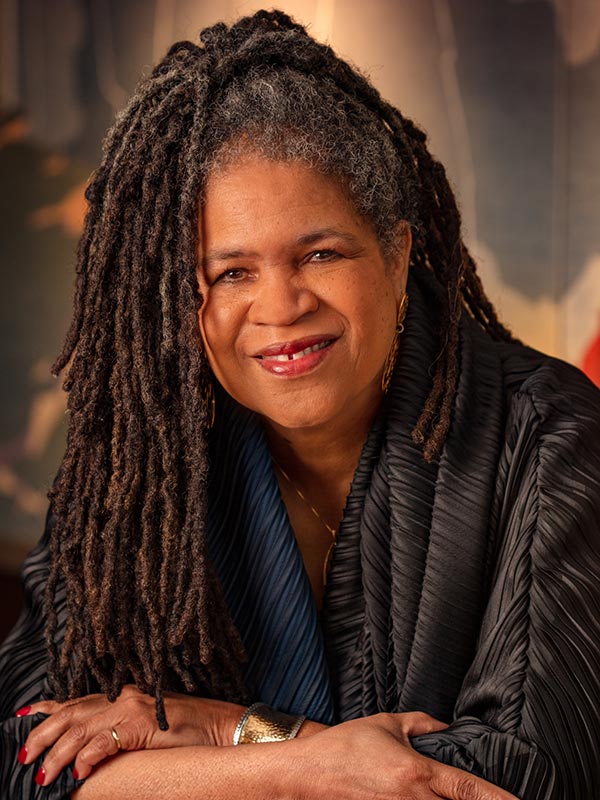
Tell us a bit about your background. Where are you from, and where are you based?
I live in Gallatin, Tennessee, and I am a proud mother to my son, John Robert. My father, Homer Howland, is a descendant of John Howland, a servant who came over on the Mayflower. My mother, June Irene, is a descendant of enslaved Africans who arrived in Virginia.
I grew into womanhood through the literature of Zora Neale Hurston, Maya Angelou, and Toni Morrison. Their influence is how and why I became a writer. My first book, Warrior Rising: How Four Men Helped a Boy on His Journey to Manhood, was published in 2020. I turned my obsession with National Geographic into a freelance career as a travel writer, and I have been published in Fielding’s and Open Roads Travel Guides. I have visited more than 100 cities, covering every continent except one.
My passions include theater, the arts, and tennis. My personal mission is to open a national dialogue on the importance of mentorship, intentional parenting, and respect and dignity for people with disabilities.
Tell us about your previous professional experiences.
I began my career as a writer in the communications department at Time Inc., convincing leaders why they need Time and Fortune Magazines for reliable business news. For over two decades, I grew as a writer to become a global business consultant, and I have served a portfolio of clients across a wide range of industries in pursuit of transformation from corporate social responsibility to corporate social significance.
In 1993, I founded Ibis Communications, an award-winning branding and marketing firm specializing in multicultural marketing, and in 2012, I founded the Global Diversity Leadership Exchange (GDLE), a forum designed to serve senior-level executives on the front lines of driving diversity in global markets. In 2014, GDLE became a member of the UN Global Compact.
In 2018, I co-founded JEDI Collaborative, an initiative created to support the natural products industry. I continue to support these enterprises that help companies elevate their brand and enhance relationships that fan the mission of justice, equity, dignity, inclusion, and sustainability.
I help communicate our mission in speeches and lectures at colleges, universities, and various corporate conferences and events, covering topics such as structural racism in business, conscious capitalism, and human value—a JEDI approach to business leadership for a compassionate economy.
What issues are you passionate about and why? How does your work at BSR reflect that?
In my years of work to help brands bridge to multicultural markets, I have learned that progress has been very slow in fulfilling the promises around diversity, equity, and inclusion (DEI). Being the mother of a Black boy with cerebral palsy and ADHD who has had to face a world ill-prepared and unwilling to embrace and nurture his talent and abilities simply because he is “different" has shaped my worldview of the level of commitment and investment that is necessary to shift from systemic inequities to justice.
Personally, I believe the move from performative acts of DEI toward measurable impact begins with understanding human value and treating everyone with dignity and respect.
I believe that “JEDI”—justice, equity, dignity, and inclusion—has never been more important to cultural transformation. JEDI is more than a traditional DEI practice—it is a mindset, a lens through which you recognize the value in others, that opens hearts and helps to build trust and authentic relationships that achieve diversity that is sustainable. Various sustainability issues, such as climate change, voting rights, and human rights, demand that all voices and perspectives are engaged and reflected in the solutions that impact each one of us.
I am excited about my new role at BSR at the intersection of sustainability and equity, justice and inclusion (EIJ) because progress cannot be made without the voices and perspectives of all of us, especially those who have been historically excluded.
International Women’s Day took place earlier this month. How can business advance on EIJ policies?
I think of the women I have met across the country and in various walks of life in cities and townships around the world, at various levels of means, working moms, single moms, sisters, daughters, some respected, some abused, undervalued, and underpaid.
From Appalachia to Afghanistan to the aborigine of Australia, from India to Iran, women of every color and every culture deserve at the very least the dignity of living wages, quality healthcare, higher education, and to be safe and protected citizens.
It is corporate and public policy that informs business practices that impact disparity gaps in nearly every aspect of quality of life for women, including ethnic minorities and people with disabilities. Business needs to start with an honest assessment and a deep cleanse of systemic inequities in all of their systems and operations and develop and implement new policies that effectively and permanently close these gaps.
Blog | Tuesday March 26, 2024
Why 2024 Could Be a Pivotal Year for Sustainability in the UK
With economic growth likely to be a key issue in the UK’s next general election, leaders based in or with operations in the UK can take the lead in making the business case for sustainability.
Blog | Tuesday March 26, 2024
Why 2024 Could Be a Pivotal Year for Sustainability in the UK
Preview
2024 is going to be a pivotal year for sustainability in the UK. After a turbulent few years in British politics, dominated by Brexit and Covid-19, the general election, which must take place by the end of the year, provides an opportunity for the incoming government to reassert UK leadership in sustainability.
With economic growth likely to be a key issue in the election—and the parties still considering their policies on new sustainability regulation—leaders based in or with operations in the UK can play a role in making the business case for sustainability, calling for all political parties to ensure that the UK does not slip behind other jurisdictions but, instead, takes a world-leading position.
In the years since the last general election in the UK, there has been an exponential growth of regulation for sustainable business in many parts of the world (see BSR’s recent FAQ on Laws and Regulations for Just and Sustainable Business). At the forefront of this trend is the European Union (EU), where a plethora of new regulations—including mandatory human rights and environmental due diligence, new reporting and disclosure requirements, and technology-focused human rights risk assessments—is setting new global standards and expectations on companies.
Instead of adopting comparable regulations, the UK government, since 2019 (under all three Prime Ministers), has been explicit in its desire to diverge from EU regulations to maximize the “benefits of Brexit.” In many cases, that divergence has focused either on deregulation or declining to regulate in new areas where the EU has decided to do so. Worryingly, this includes sustainability issues where, for example, the government has said that it will not adopt mandatory human rights or environmental due diligence requirements.
Where the UK is Today
Prior to Brexit, the UK was often ahead of its EU counterparts in many aspects of sustainability-focused regulation, with the Companies Act 2006, the Modern Slavery Act 2015, and the Equality Act 2010 (Gender Pay Gap Information) Regulations 2017 setting out requirements for large companies concerning issues such as environmental and human rights reporting, tackling slavery and forced labor, and transparency around gender pay gaps.
Since then, there has been little in the way of further sustainability-focused regulation (save for new climate-related financial disclosure requirements, which came into force in 2022 for certain companies and limited liability partnerships and are based on the recommendations of the Task Force on Climate-Related Financial Disclosures).
When compared to other areas where the EU has led the way, the UK has been clear that it does not intend to follow suit. As noted above, the government is not following the EU’s lead in legislation to require mandatory human rights or environmental due diligence requirements, and nor does it intend to adopt new regulations of AI, a technology whose potential impacts on human rights are significant (instead, the UK is taking a “pro-innovation approach”). And while the Digital Services Act requires online platforms to undertake systemic risk assessments to determine their impacts on human rights, the UK’s Online Safety Act, which recently came into force, contains no equivalent measures.
In short, the UK is falling behind when it comes to sustainability-focused regulation. Not only could sustainability efforts among UK companies stall, but the ripple effect across the world that new types of regulation can generate (e.g., by incentivizing companies to ensure that their partners and suppliers across the value chain improve their efforts) could also be undermined. This could mean upstream adverse human rights impacts left unchallenged, UK consumers left more vulnerable to human rights-related risks, and efforts to tackle climate change (already far behind what they need to be) plateauing.
Why 2024 is a Critical Year
It is unlikely that the UK’s approach to sustainability-focused regulation will change under the current government before the next general election. However, the UK will see a general election before January 2025, providing an opportunity for a newly elected government to take a different approach.
There are certainly signs that the different political parties are, for the first time, thinking through this issue as they develop their manifestos and plans if elected. The Labour party (currently leading in the polls) has hinted at greater alignment with EU standards, with Keir Starmer recently saying that he did not want to see divergence on issues like environmental standards, food standards, and workers’ rights. The Liberal Democrats have said that they support mandatory due diligence for companies, while the Conservatives have not yet announced specific positions in this area, but remain publicly committed to achieving the UK’s net-zero targets, and introduced many of the previous sustainability-focused measures listed above.
The outcome of the general election is likely to be critical for the future of sustainability regulation in the UK, with real potential to influence the new government’s agenda on the issue. Without clear leadership from the new government, the UK risks ending the decade falling further behind the rest of the world, with threats to human rights and the environment insufficiently addressed.
What Does This Mean for Business?
With the main parties in the UK currently considering their policy positions on sustainability regulation, businesses can call for all parties to ensure that the UK does not slip further behind other jurisdictions but should, once again, take the lead. With economic growth a key political issue, they can make the case as to why new regulations will be good for business. Many companies have been doing this already, with regular joint statements (such as this one from 2022) from leading UK companies and investors calling for mandatory human rights and environmental due diligence legislation. UK companies should continue to do so and use their relationships and leverage with political parties and politicians to ensure that commitments to regulate in this area are included in their manifestos.
At the same time, companies should not wait for regulation in the UK. Many of the UK’s largest companies already trade or have operations in the EU, meaning that they may fall within the scope of new EU regulations and be required to comply with them. But even where this is not the case, companies who are genuinely committed to respecting human rights and environmental protections should ensure that they keep up with their peers in the EU. Strong international standards in human rights, environmental protection, and other areas already exist, whether in the form of soft law, guidance, or best practices. Companies in the UK can look to these to ensure that, with or without regulation, they can lead the way in sustainability.
If you’d like to talk about your sustainability work in the UK, reach out to our UK-based team.
Blog | Thursday July 30, 2020
A New Social Contract That Enables Social Justice
To address deep disparities and systemic challenges, companies will need to take new approaches that move beyond diversity, equity, and inclusion (DEI) as primarily compliance-driven efforts, and transform these tools into strategic drivers to achieve social justice.
Blog | Thursday July 30, 2020
A New Social Contract That Enables Social Justice
Preview
For too long, structural inequities and short-term thinking have threatened our vision of a just and sustainable world. As we face the urgent challenges of COVID-19 and calls for increased accountability for racial injustice, now is the time to radically reimagine how business can contribute towards removing obstacles which are impeding social justice.
Our recent publication, The Business Role in Creating a 21st-Century Social Contract, details how the private sector can support economic prosperity and social mobility, and recent political, social and economic upheavals reinforce the urgency of creating a new social contract based on more inclusive models and practices.
To address deep disparities and systemic challenges, BSR believes companies need to examine failures of whole systems, identify tangible opportunities to improve their own diversity efforts, and rebuild equitable structures at both the individual and system level. This will take new approaches that move beyond diversity, equity, and inclusion (DEI) as primarily compliance-driven efforts and transform these tools into strategic drivers to achieve social justice.
A new social contract carries much potential to reform many of the social structures and policies which compound systemic inequities; business has a critical role to play in supporting new policies which advance economic prosperity and social mobility for all.
Our paper identifies five principles to guide business action to shape a new role for business in society, and each requires a deliberate and ambitious focus on DEI to succeed:
DEI at BSR: Definitions
In the past, diversity, equity, and inclusion (DEI) have been used interchangeably or associated with compliance-driven, human resource efforts. Today, they are recognized as three distinct tools that form the fundamental building blocks of social justice.
Diversity
Diversity is all the ways in which people differ, including (but not limited to) race, ethnicity, gender, disability, sexual orientation, gender identity, national origin, language, and socioeconomic status.
Equity
Equity is the strategic distribution of resources so that all groups reach comparable outcomes. It is markedly different than equality—which focuses more on inputs, treating all groups the same, and preserving the status quo.
Inclusion
Inclusion is creating environments in which individuals or groups can be and feel welcomed, respected, supported, and valued to fully participate. It is a culture of belonging where every person’s voice adds value.
Social Justice
Social Justice is the systemically fair treatment of individuals by society, in which no one’s identity shapes their opportunities or outcomes. Social justice combats systemic or institutional oppression, which produces disparate outcomes based on identity (ex. wealth gap). Specific subsets of social justice focus on particular identities, such as racial justice’s focus on people of color.
The first principle is stakeholder capitalism and the reorientation of business strategies to focus on long-term value creation for all stakeholders. To achieve this, companies need to diversify the board of directors and executive leadership team to address long-standing insufficient participation by women and Black, Indigenous, and People of Color (BIPOC) and report publicly on their efforts to do so. This will also require implementing a comprehensive DEI strategy that values differences and is embedded across all aspects of business operations. For example, eliminating gender and racial pay gaps, sourcing from women-owned, BIPOC-owned businesses, and aligning policy advocacy and participation in industry associations with a company’s DEI commitments.
The second principle is skill development and career pathways and in particular enabling all workers to achieve sustainable livelihoods. Here, it is essential that companies focus on DEI in hiring, training, and advancement. Companies can advance these efforts by eliminating bias in hiring, including those introduced by hiring algorithms, applying a diversity lens to employment decisions, including layoffs and furloughs, and creating career progression programs that build pathways to leadership for women, BIPOC, and LGBTI people.
The third principle is economic security and mobility, especially by strengthening and modernizing the social safety net. Here, companies can support public policies that provide meaningful benefits, including unemployment insurance, paid family and medical leave, and health care coverage for all. Companies also can advocate for minimum wage levels that support the ability of BIPOC, who are often in more vulnerable forms of unemployment, to achieve an adequate standard of living, and expanded access to education and communications technologies for underserved communities. In addition, companies can advocate for COVID-19 relief efforts and economic recovery plans that prioritize racial justice and women’s empowerment.
The fourth principle is a just transition to net-zero GHG emissions, creating high-quality green jobs and supporting workers and communities that are displaced in the transition to a net-zero economy. To realize this principle, companies are encouraged to create a transition plan to seize the employment-generating opportunities of the low-carbon economy and to consider how these opportunities can address structural inequalities and impacts on vulnerable communities. In addition, companies can ensure that their just transition plans support communities of color through social dialogue and stakeholder engagement.
The fifth principle is worker data protection, which aims to ensure that the implementation of new technologies is aligned with international human rights standards and protects the privacy and nondiscrimination rights of workers. To act on this principle, businesses can undertake forward-looking assessments that identify the DEI and human rights impacts of disruptive technologies. In addition, companies can use digital tools and data analytics in ways that support, rather than undermine, nondiscrimination and DEI objectives in hiring, performance reviews, and promotions.
For DEI efforts to be successful and sustainable, companies and institutions can and must take individual and collective action.
Each of these principles embeds DEI efforts as crucial tools in ensuring that a new social contract enables everyone to participate in and benefit from economic activity. For many companies, this represents an unprecedented opportunity to demonstrate bold leadership and bring novel approaches and innovative thinking to their DEI efforts, and their employees, stakeholders, and shareholders are paying close attention.
A new social contract carries much potential to reform many of the social structures and policies which compound systemic inequities; business has a critical role to play in supporting new policies which advance economic prosperity and social mobility for all. For DEI efforts to be successful and sustainable, companies and institutions can and must take individual and collective action.
BSR looks forward to working with our members, donors, and partners to create actions and opportunities that meet the urgency of this critical moment and work towards a new social contract that reaches its full potential of supporting social justice.
Blog | Thursday June 1, 2017
BSR Statement on U.S. Withdrawal from the Paris Agreement
BSR regrets that the United States has announced its intention to withdraw from the Paris Agreement on climate change.
Blog | Thursday June 1, 2017
BSR Statement on U.S. Withdrawal from the Paris Agreement
Preview
BSR regrets that the United States has announced its intention to withdraw from the Paris Agreement on climate change. The Paris Agreement is supported by an unprecedented consensus of nations—only Syria and Nicaragua have not signed it. The overwhelming majority of businesses and investors believe that the Paris Agreement is essential to ensuring innovation, competitiveness, and job creation, in addition to the evident benefits with respect to combatting climate change. Furthermore, evidence suggests that a strong majority of the American public believes the same thing.
In spite of counterproductive policies coming from the U.S. administration, we are confident that the business community will continue to lead on climate action. BSR will continue its work with businesses, nonprofit partners, and other stakeholders to accelerate the transition to the resilient low-carbon economy. We will work with companies to set and implement science-based emission reduction targets, to help remove emissions from their supply chains, to invest in a low-carbon future, and to become resilient to climate risks. We will maintain our sharing of best practices in climate leadership. Our BSR collaborative initiatives on climate change will continue to help companies collectively promote low-carbon shipping and trucking, renewable energy for data centers, climate resilience, and climate finance. Along with our partners in the We Mean Business coalition, we will keep uniting the business community in taking climate action.
The resilient, low-carbon economy that the Paris Agreement envisions offers the innovation, jobs, and security Americans need. We urge the United States to reconsider withdrawal from the agreement and from the policies which implement it.
“U.S. withdrawal from the Paris Agreement is a major mistake that will serve as a setback for climate action, global cooperation, and business, which overwhelmingly supports Paris. This decision not only damages the global consensus on how to address climate change, but also the innovation, competitiveness, and job creation that can flow from the steps outlined in Paris. Despite this deeply regrettable decision, I am confident that business—very much including American companies—will remain resolute in showing how the transition to low-carbon prosperity can be achieved and can improve livelihoods. BSR will continue to work with businesses that understand this and that are leading the way to 21st-century business models.” —Aron Cramer, President and CEO, BSR
Blog | Monday March 2, 2020
Sustainable Business in Asia: Five Trends That Will Impact the Decisive Decade
Through BSR’s work across Asia, including significant stakeholder engagement across the region, we have identified the following five sustainability trends for business in Asia in the 2020s that will impact sourcing strategies and supply chains, access to finance, employee engagement, sustainability leadership, and increasingly market and consumer engagement.
Blog | Monday March 2, 2020
Sustainable Business in Asia: Five Trends That Will Impact the Decisive Decade
Preview
The decisive decade of the 2020s has arrived and will deliver the impact of key sustainability trends on business in Asia. These trends take place within broader technological, demographic, and market changes, as well as the growth of middle classes within individual Asian economies. Within the global context, changing geopolitical, climate, trade, and security issues will manifest themselves via these trends as well.
Through BSR’s work across Asia, including significant stakeholder engagement across the region, we have identified the following five trends. These trends will impact sourcing strategies and supply chains, access to finance, employee engagement, sustainability leadership, and increasingly market and consumer engagement.
1. Supply Chains Spreading beyond China
Supply chains are moving—being driven in part by the war on pollution, by trade flows, and by companies seeking manufacturing locations with lower costs. As supply chains once consolidated into China, the deconsolidation process is now underway. Supply chain strategies, which a number of years back changed from “China centered” to “China Plus One,” now need to continue to change to “China Plus Many.” The current coronavirus issues only underscore the risks associated with overdependence on a single sourcing location.
As no single market can absorb the manufacturing shift out of China, businesses are faced with decisions of where to relocate their plants and/or supply chains. Increased variance and specificities of country development, locations, and proximities to material and component suppliers, workforce skills, and access to markets are of obvious importance in deciding what meets the business’s supply chain strategic needs. As supply chains move across Asia, issues, including graft and corruption, human rights, freedom of association, workforce localization, pollution prevention and waste treatment, community engagement, and expectations for transparency, will vary greatly. Manufacturers will need to learn how to operate in new and different political, stakeholder, and legal environments. Buyers will need to engage more deeply in due diligence and in selecting suppliers that will be able to navigate their new and changing environment.
2. Automation and Digitization: Building Talented Workforces Is Key
The automation trends are not new, but we are beginning to see scale in application. Hon Hai is now at 100,000+ robots in its production in China, and the Chinese government is investing in a “robot revolution.” Applied in one location at scale, automation will impact industry expectations for speed, quality, and price globally, and implementation will proliferate rapidly across borders. Whether through automation of manufacturing in light assembly in China, Vietnam, or Bangladesh, smart farming in agriculture in Indonesia, or artificial intelligence in the business process outsourcing (BPO) industry in Philippines, the 20s will bring scale.
As technological innovation leads to automation and digitization, talent acquisition and retention becomes of ever greater importance. Whether this talent is on the manufacturing floor, working within an increasingly lean and automated environment, within agricultural settings across Asia where the younger generation has fled to cities, or within corporate offices seeking to manage increasingly digitized processes, the war for talent will only increase. Attracting and retaining employees in this environment will mean not only increased wages and benefits, but particularly for the most sought-after employees, alignment with corporate purpose as well as the culture and values of their workplace.
3. New Technologies Driving Increased Supply Chain Transparency
The increased global prevalence of data and data-linking tools such as blockchain and AI will impact value chain transparency through the ability to link, track, and connect ever deeper into value chains, connecting and allowing traceability and transparency from fields or copper mines to consumer and subsequently post-consumer use as well.
Over the coming decade, traceability and transparency will enable both great positive attribution and validation of topics from fair trade to carbon content to product safety. At the same time, graft, corruption, malfeasance, and the reputation of the individual actors—be they upstream or downstream—will be pulled increasingly closer to the broader value-chain reputation. Companies will increasingly own their connection to the more distant edges of their value-chains—be it in connection to smallholder farmers in India, migrant labor issues in Malaysia, or the potential connections of their local partners in Myanmar to sanctioned individuals. In addition, wastes (from plastics to packaging to e-waste), particularly as governments are changing their regulatory regimes on waste and plastic across Asia, become all the more attributable.
Within this transparent and interlinked environment, the ability of the various value chain actors to manage their own governance and reputations, inclusive of environmental, social, and governance factors, is already and will be of rising importance. Who you do business with will increasingly define how your brand is perceived.
4. The Asian E-Commerce Markets Are Your Sustainability Destiny
Asian markets are rapidly digitizing, and the Chinese e-commerce market represents roughly 35 percent of total Chinese retail sales in 2019 (compared to 10.9 percent in the U.S.), representing about 56 percent of total global online sales. Southeast Asia is set to be the next e-commerce superpower after China—the number of internet users in Southeast Asia will reach 480 million by 2020, making it the internet’s fastest-growing region in the world.
As platforms for online shopping evolve and as specialized products, niche sectors, and quality requirements change, integrating sustainability into consumer engagement will evolve. Telling your traceability story to underscore your product safety bona fides, connecting to specific millennial consumer sub-segments by showing your product recycling makes their purchase “healthy for the world,” your sustainability attributes can and will increasingly need to be at consumer fingertips. These trends will play out on mobile phones in rapidly evolving regional e-commerce marketplaces where combining the aesthetic of sustainability, access to information, and enabling consumers to understand and differentiate amongst various sustainability claims will be key learnings, as well as product and brand differentiation opportunities.
5. Increased Global Instability and Rapid Change Means Your Local Team Is Really Important
As the above trends play out, they will have varied impacts on your local markets. Setting corporate policies, strategies, and goals from headquarters is important. However, navigating the local impacts and opportunities with knowledgeable, empowered local teams will be key. Building the capacities and capabilities to integrate sustainability knowledge within local and regional business operations (including strategy, finance, marketing, operations, and procurement) is the key to capitalizing on the opportunities that these trends represent in the Decisive Decade of the 2020s.
Companies with operations, partners, and value chains in Asia should pay attention to these trends. BSR can help to develop strategies specific to operations in the region. Please feel free to connect with us and learn more.
Blog | Thursday January 26, 2017
Four Stakeholder Engagement Trends to Watch in 2017
There are clear drivers in today’s operating environment for multinationals to rethink their approaches to risk, resilience, and corporate responsibility. Here are four stakeholder trends to pay attention to this year.
Blog | Thursday January 26, 2017
Four Stakeholder Engagement Trends to Watch in 2017
Preview
It is already axiomatic to say that 2017 has ushered in a new era of uncertainty, though core assumptions driving multinational business have been under threat for some time. The ascendancy of competitive nationalism and populist politics in the United States and Europe has simply made these trends impossible to ignore. Developed markets and large emerging markets can no longer be considered benign and predictable from a political risk perspective, and business can no longer assume that we are on a steady journey toward ever greater economic liberalization and regulatory convergence.
These shifts in the operating environment have been accompanied by a dramatic collapse in public trust in institutions, including business, according to the 2017 Edelman Trust Barometer. Though only 37 percent of respondents now find CEOs to be trustworthy, perceptions of the media, NGOs, and governments are even lower. But despite a far more difficult operating environment, business still has an opportunity to provide leadership, innovation, and inclusivity.
There are clear drivers for multinationals to rethink their approaches to risk, resilience, and corporate responsibility. A far wider range of plausible scenarios is in play, and traditional risk management and strategy tools are not well placed to address current challenges. And open, interactive communication with those that are affected by, or have power to influence, a company’s strategy and agenda just shot to the top of the priority list.
Therefore, companies should pay attention to four stakeholder trends in 2017:
- The corollary of weaker regulation is greater stakeholder activism. The new U.S. government has already signaled that it would like to weaken or dismantle regulation in key sectors, such as finance and energy. But this is unlikely to ease operating conditions for business, as any weakening of regulation at the country level will be accompanied by an increase in stakeholder activism, amplified by the contentious political climate. Companies must learn to proactively address collapsing public trust via consideration of ethics that go beyond mere legal compliance. Many companies are setting up ethics functions that interact with, but are separate from, compliance. Others are exploring synergies among the audit, compliance, and sustainability functions to best promote their values.
- Local conflicts can now gain global platforms. Hyper-transparency means that community disputes can be amplified to win worldwide prominence. For example, indigenous rights groups in Latin America are partnering with global advocacy organizations to draw attention to their grievances. In agriculture, extractives, and infrastructure, companies that have long differentiated between project-level community engagement and corporate reputation management are finding this distinction increasingly difficult to maintain. Other companies that have traditionally thought of stakeholder engagement as an annual exercise conducted by headquarters are trying to define and understand their stakeholders more deeply, which is a complex exercise when it is not defined by the geographic focus of a project. Shifting migration patterns and cumulative impacts only complicate the exercise.
- Political and social risk are converging. Demographic shifts and automation are transforming the labor market and putting social services under extreme pressure—just as demands for sustainable, broad-based economic growth gain momentum. In the Global South, the growth of the middle class has increased individual and collective empowerment, while transforming the dynamics of political and social risk. Public opposition to government and business is coalescing around a common language of environmental justice, anti-corruption, and human rights. When protestors voice disillusionment with self-interested and inefficient regimes, local elites move with varying degrees of success to shore up their power. Companies can no longer separate social and political risk considerations, which means understanding the interaction among stakeholders—not just how stakeholders engage with companies.
- Understanding your impacts is no longer optional. The field of business and human rights has come of age, highlighting the need to extend risk analysis to understanding impacts. The launch of the Sustainable Development Goals in September 2015, too, is encouraging businesses to develop robust frameworks to measure the consequences of their activities. Human rights practitioners have rightly identified oversight of global supply chains as a key corporate vulnerability, with scrutiny of trafficking and slavery by regulators and the public giving rise to fresh norms and expectations. It has become clear to all that corruption everywhere is facilitated by global financial flows and can no longer be characterized as a developing-market problem. And while shareholder value remains any business’s dominant consideration, activists are scrutinizing the effects of tax avoidance upon human rights and broadly questioning the effectiveness of current corporate governance standards.
Neither legal compliance nor standard risk management tools are sufficient for companies who wish to survive and thrive in the new era. Rather, resilient companies will focus on core values, leadership, and a more inclusive approach to business.
Blog | Thursday May 25, 2023
Land Value at Risk
What climate justice risks do the insurance industry face, and how can business best build inclusive resilience to these risks?
Blog | Thursday May 25, 2023
Land Value at Risk
Preview
In The Risk to Insurance, we discussed how climate change has made insurance industry modeling practices far more difficult to rely upon. Now, we dive into the climate justice risks surrounding the insurance industry’s ability to protect land-based assets and livelihoods, and we urge business to seek opportunities across their value chains to build inclusive resilience through risk mitigation and adaptation.
Climate impacts are raising the specter of uninsurability, giving new prominence to the role of insurance in driving climate mitigation. In 2022, the world saw an estimated US$313 billion global economic loss due to natural disasters, thanks in large part to historic and persistent climate change events. From flooding in Pakistan that displaced 7 million people to droughts in Europe, countries around the globe saw the impacts of climate events on their assets, of which only US$132 billion was covered by insurance.
Those most vulnerable to climate impacts are severely underserved by insurance options, exposing their assets, communities, and livelihoods to great risk. The insurance penetration rate is below 3 percent in Africa—one of the most vulnerable continents to climate change. Here, an increase in catastrophic events—from South African floods to Algerian wildfires—brings both endemic poverty and high exposure of key economic sectors, such as food and agriculture, to climate risk. The IPCC report projects reductions in yield could reach 50 percent by 2020, but small-scale farmers face a dearth of low-income insurance options.
In the US, climate risk has reduced insurance options across the board: hurricanes in Florida have seen large providers leave the state, while rampant fraud has pushed up home insurance premiums to the highest in the nation. Laurie Schoeman, Director of Climate and Sustainability at Enterprise Community Investment, sounds the alarm:
“When carriers step out, there’s less variety and the prices go up. You get stranded assets where households, families, and communities lose their economic legacy—and for low-income communities that’s an extreme impact.”
This could lead to an avalanche of economic displacement: communities lose residents, businesses, and livelihoods—and with them the tax benefits that are passed onto schools, services, and infrastructure. Meanwhile, more insurable locations can come under strain with the influx of those forced to relocate—that is, climate refugees.
This risk is further compounded by the need for reinsurance, which is when an insurance company purchases insurance to protect itself from the risk of loss. As more insurance companies struggle, the availability of reinsurance for those companies is also reduced as fewer organizations are willing to risk reinsuring languishing entities. AI adoption across the insurance industry could help, improving risk analytics to reduce costs and increase the capacity of reinsurance.
Cat Bonds are rising in response: these high-yield debt instruments are designed to raise money for insurance issuers, releasing money from the bond only in the event of a natural disaster.
A Three-Fold Solution
Several programs have been created to better protect homeowners and developing countries from catastrophic weather events caused by climate change. The Caribbean Catastrophe Risk Insurance Facility Segregated Portfolio Company (CCRIF) utilizes insurance-linked securities (ILS) to create a multi-country risk pool that acts as an insurer for many Caribbean countries in the event of any catastrophic weather event. Payouts have included stabilizing drinking water plants; repairing critical infrastructure such as roads, bridges, and schools as well as homes; and support for the agricultural sector. However, programs like these are remedial, rather than preventative, and rely heavily on the handouts of developed countries.
The perils require a three-fold approach to mitigating and managing the risks, combining a push for secure land tenure, innovative insurance options that incorporate mitigation, and business leadership.
Secure land tenure is widely recognized as a key to climate change mitigation and adaptation. It ensures local landowners can invest in land-based solutions from carbon sequestration to flood management, improving their resilience to climate impacts and thereby their insurability, protecting both frontline communities and their livelihoods. Tenure also enables investment in long-term solutions to protect land in critical geographies from degradation. Businesses and insurers can join in advocacy and action to respect land rights and extend secure land tenure—as a foundation for pursuing insurance solutions and risk mitigation strategies. For instance, Coca-Cola and Illovo Sugar Africa have joined with communities and traditional leadership to support the development of improved land registration systems in Malawi to support smallholder farmers in sugar supply chains.
Effective insurance options to support resilient communities need to be affordable, accessible, and designed to promote and enable mitigation efforts. One model is the California Earthquake Authority, which offers insurance premium discounts to homes retrofitted to better withstand earthquakes and offers support to help homeowners make changes to qualify—equivalents are needed for climate risks. A less proactive but increasingly prominent solution is parametric insurance, which insures policyholders against the occurrence of a specific event at a certain magnitude (such as a specific flood level). The Munich Climate Insurance Initiative advocates for solutions that combine parametric insurance and climate mitigation support with disaster risk financing strategies, including gender-sensitive approaches, and encourages collaboration between social and climate protections. Risk reductions bring a moral hazard, though: they might incentivize rebuilding only to expose communities to chronic and growing risk, where in fact an equitable and inclusive approach to relocation is required. Businesses have a responsibility to engage communities in their value chain in co-creating long-term transition plans.
Citizens are exposed to both direct climate impacts for land and property as well as indirect ones, such as impacts on energy costs. Uruguay has adopted climate insurance to protect consumers from electricity rate hikes if its hydraulic power supply is hit by drought, causing it to fall back on expensive fossil fuels. In the long term, this also protects the economy while it seeks to scale renewables.
While states are wise to explore protections, global executive leadership is also needed to help engage, guide, and protect both industry and citizens. As concerns grow around land-based insurance and its potential to impact homeowners, businesses, and land-based livelihoods, it is important that business step up in these ways:
- Identify at-risk communities in their value chains, particularly those dependent on land-based livelihoods such as food and agriculture.
- Understand the needs of at-risk communities and co-create solutions with them to promote land tenure.
- Advocate for insurance discounts for those who actively mitigate against extreme climate change events.
- Advocate for insurance, mitigation, and transition options for those unprotected by national programs.
- Advocate for federal laws on disclosures for land transactions in high climate risk areas for floods, fires, hurricanes, and drought, ensuring that buyers are informed and acknowledge the risks.