New York
September 22, 2026
11:50 am - 1 pm EDT
To build truly circular textile systems, stakeholders need visibility into what happens after first use: where products go, how they move through reuse and recycling markets, how materials remain in circulation, and the environmental, social, and economic impacts along the way.
In this session co-led by BSR, Accelerating Circularity, and WWF, we invite you to explore how greater visibility into global textile flows can strengthen circular textile strategies, support effective Extended Producer Responsibility (EPR) implementation, enable responsible global trade, and foster stronger collaboration across the value chain.
Through insights from our joint project, Second-Hand Materials Roadmap to Action, and perspectives from across the ecosystem, the discussion will examine how better data and traceability can move stakeholders from assumptions to evidence-based decision-making, enabling better decisions, stronger collaboration, and more effective policies to accelerate a just and circular textile economy.
Participants will leave with a deeper understanding of the global secondhand textile system, the role of material flow intelligence in advancing circularity, and opportunities to collaborate on building the interoperable data systems needed to accelerate a more transparent, just, and circular textile economy.
This session is part of the broader agenda of Climate Week NYC: Traceability and Nature-Positive Supply Chains, which will be hosted by WWF and Tapestry Foundation on Tuesday, September 22 from 9:00 a.m. to 2:00 p.m. If you would like to attend this event, please register for the full half-day event, Climate Week NYC: Traceability and Nature-Positive Supply Chains, by clicking on the register button.
Event Partners
Scheduled Speakers
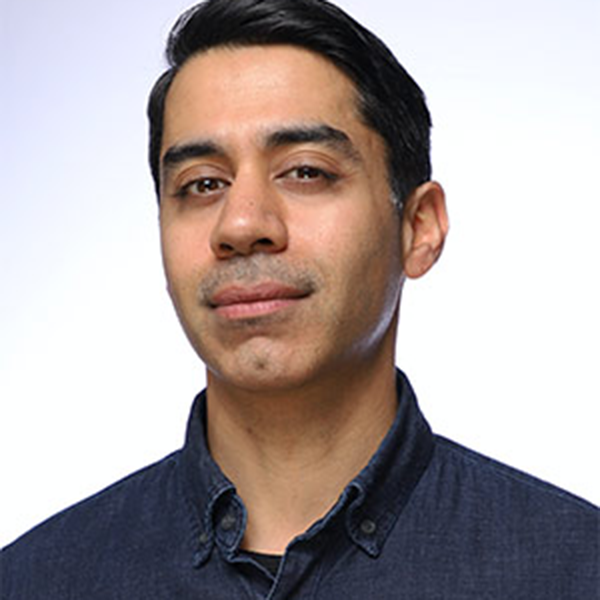
Chhavi Ghuliani, Managing Director, Collaborations and Partnerships, BSR

Saad Khan, Manager, Financial Services, BSR