BSR Members Only
Webinar
February 12, 2026
11 am - 12 pm EST
With the increasing use of AI technologies, business leaders are questioning the environmental implications: will AI increase our company’s carbon footprint, or will it lead to efficiencies that offset the increase in computing power?
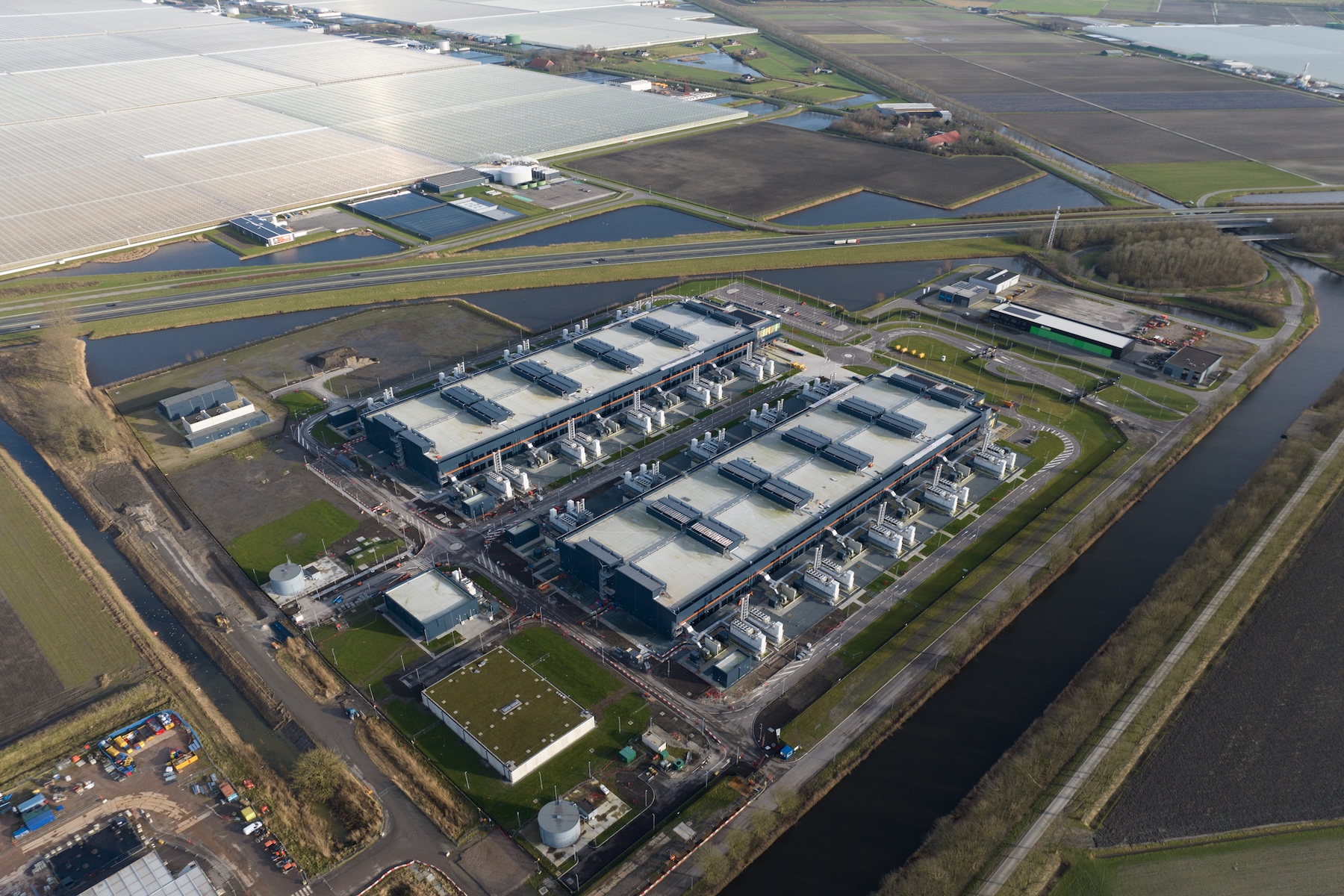
AI offers powerful opportunities to advance sustainability, enabling more efficient resource management, accelerating climate modeling, and optimizing energy systems. Yet the rapid expansion of AI also poses significant environmental risks. The training, deployment, and use of large-scale AI models demands significant energy, water, and material inputs, while expanding data center infrastructure increases pressure on land, ecosystems, and natural resources.
These environmental impacts extend across the AI value chain—from companies developing models and building infrastructure to those procuring, deploying, and integrating it into their own operations.
As a result, companies across the AI value chain struggle to measure and manage the climate impacts of their growing AI use, and to understand the impacts of AI on their climate targets. Overall, the field lacks a coherent, sector-wide approach to environmental accountability in AI.
BSR experts from our Responsible Technology and Climate and Nature teams will help you understand the key challenges and priorities for companies increasingly developing and deploying AI, and the steps you can take—either alone or in collaboration—to address these environmental risks.
This is the second webinar of a three-part series on making sense of artificial intelligence and its implications for business. We encourage members to also register for the third webinar in this series, Making Sense of AI in 2026: The Social Impacts of AI. Missed the first webinar? Members can access prior webinar recordings in the events archive: Making Sense of AI in 2026: Implications for Business and Sustainability
Scheduled Speakers

Ameer Azim, Director, Climate and Nature, BSR

Kelly Gallo, Director, Technology Sectors, BSR
You Might Also Like