New York
September 23, 2026
8:30 - 10:30 am EDT
As multinational companies advance global living wage commitments, the U.S. has emerged as one of the most complex markets to navigate. While often perceived as a mature, high-income economy, significant living wage gaps persist across the country due to fragmented wage policies, substantial geographic variation in the cost of living, and a workforce ecosystem that relies heavily on employer-provided benefits to support basic needs. These conditions create challenges that differ from many other markets where companies have traditionally focused their living wage efforts.
At the same time, growing economic disparities, evolving workforce expectations, and shifting political and regulatory dynamics are increasing pressure on employers to clarify the role of living wages within broader workforce and business strategies. For both U.S.-based and multinational companies operating in the U.S., addressing the living wage gap is increasingly being recognized not only as a responsible business practice, but also as a strategic imperative for building workforce resilience, strengthening talent attraction and retention, and supporting long-term business sustainability.
This breakfast roundtable will convene leaders from global and U.S. companies, investors, civil society organizations, worker representatives, and subject matter experts to explore how organizations can translate global living wage commitments into practical strategies within the fragmented U.S. operating environment. Moving beyond a traditional panel discussion, the session will combine expert insights with facilitated peer dialogue to foster shared learning and identify opportunities for collective action.
Participants will explore:
- Where companies are seeing the biggest gaps between global living wage commitments and the realities of implementation in the U.S. market;
- How organizations are making decisions about wages, benefits, and total remuneration across different geographies and workforce segments;
- What lessons companies have learned about the resources, partnerships, and internal strategies needed to implement living wages successfully in the U.S.;
- How growing economic disparities and the evolving political landscape are shaping employer approaches to workforce strategy and increasing interest in living wages as a business solution; and
- Opportunities for collaboration among companies, investors and civil society organizations to advance practical solutions for closing the U.S. living wage gap.
Participants will have the opportunity to exchange experiences, build strategic partnerships, and contribute to a shared agenda for advancing living wages as a foundation for resilient businesses, stronger communities, and sustainable economic growth in the U.S.
This event is designed for representatives from large companies, non-profit organizations, government, and academic institutions. Capacity is limited. We cannot guarantee admittance and priority seating will be given to BSR members.
Scheduled Speakers
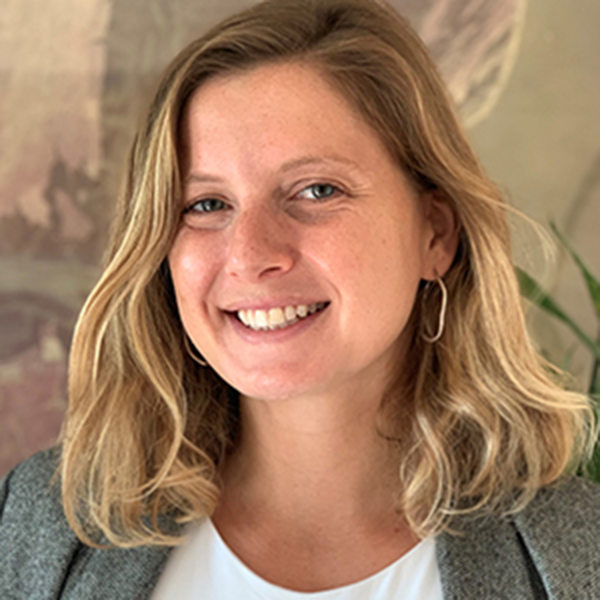
Emma Giloth, Associate Director, Human Rights and Inclusive Business, BSR
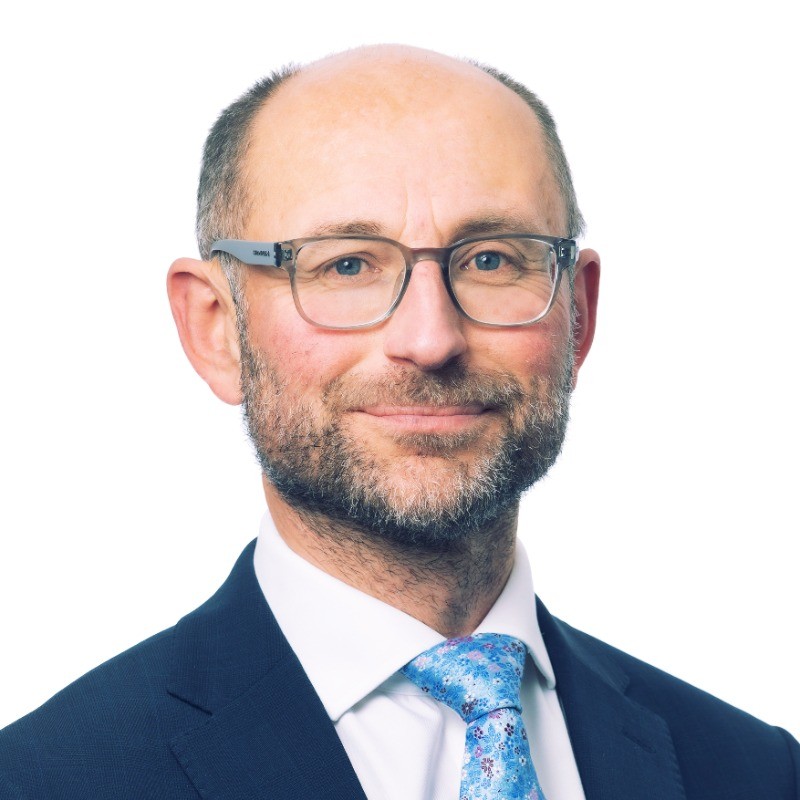
Matt Sparkes, Sustainability Director, Linklaters & Chair of Advisory Council, Living Wage Foundation
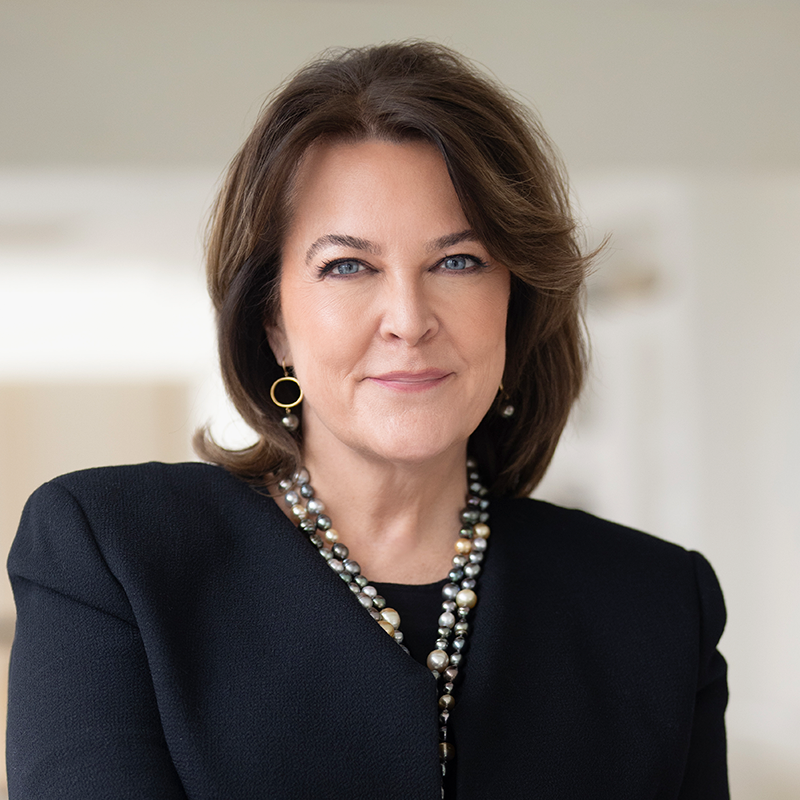
Rachel Pearson, Founder and CEO, The Complete Agency & Engage
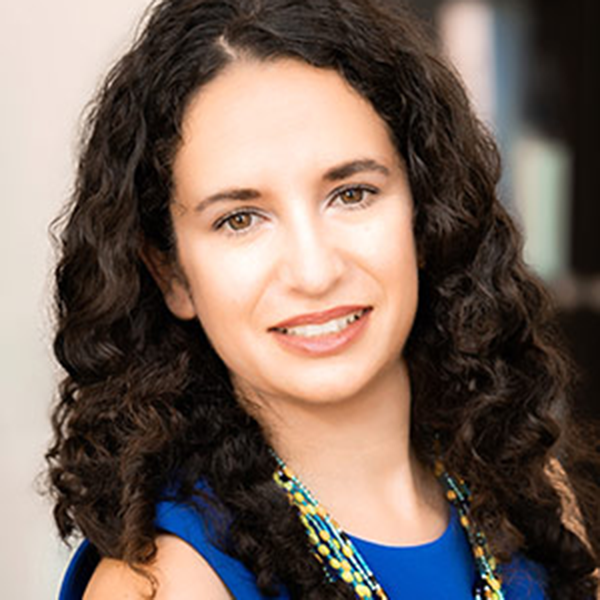
Jen Stark, Director, Human Rights and Inclusive Business, BSR